(347) 878-5985Free Quote
Existing Customers
Looking to make a payment. Press the paypal link and enter the amount found on your invoice
Pressure walls are an innovative way to build homes. They offer many benefits over traditional building techniques, such as faster construction times, lower energy consumption, and a more comfortable living environment. With these benefits in mind, it’s worth looking into the ins and outs of pressure walls to see if they’re right for you.
A pressure wall is a type of partition that reduces the amount of outside noise and unwanted airflow. They are also less expensive than traditional building techniques, as they require fewer materials.
Pressure walls can be constructed in a day and take much less time to build than traditional building techniques. This process can cut construction time by up to 50%. It also reduces energy consumption, as there is no need for a lot of tools or complicated machinery to construct the pressure walls. Construction costs are cheaper because builders don’t have to spend on scaffolding systems or other equipment often used in traditional building techniques. With these benefits in mind, pressure walls may be worth looking into! Here are some reasons why you should consider installing temporary pressurized walls for your home in NYC:
Pressure walls are a great option if your goal is to build homes quicker. Pressure walls allow for buildings to be constructed in just two days, which is much faster than traditional building methods.
Pressure walls are cost-effective. They provide a faster construction time and are less expensive than traditional building techniques. This is because the raw materials are prefabricated and come with a predetermined cost. The installation process is also quicker, which saves money on labor costs. When you combine the speed of pressure wall installation with the prefabricated materials, you get a project that’s finished much faster than it would be in other methods.
Pressure walls reduce energy consumption, which means you can enjoy lower home energy bills. The concept behind pressure walls is that they trap air within the structure. This helps to keep your home warm in the winter and cool in the summer when compared to other types of construction. In fact, it’s common for a house built with pressure walls to only use 10-30% less heating and cooling than a regular house!
Pressure walls are a great way to minimize sound transfer through your home. This is thanks to pressure walls’ ability to control the transfer of sound waves and their tendency to absorb noise. As pressure walls are built using a variety of materials, they also offer an array of comfort options, such as acoustic insulation, fire resistance, and more.
A pressure wall can be designed with many different environmental factors in mind. For instance, some pressure walls use high-tech insulation which means low energy consumption and a more comfortable living environment for you.
Pressure walls have an R-value, which is the measure of insulation that a substance provides. The higher the insulation value, the less heat escapes through the wall.
As with all building techniques, it’s important to make sure you don’t overheat your home during construction so you can save on energy and keep your family comfortable. With these pressure walls, you’ll be able to do just that. You’ll be able to keep your home at a more constant temperature without having to worry about drafts or uncomfortable heat levels.
Pressure walls create a more airtight seal by incorporating a special membrane sealing system. This is significant because it reduces the amount of energy required to heat your home. In fact, homes with pressure walls can save up to 20% on heating costs each year.
This also means that less humidity and moisture enter your home in comparison to other methods. Other techniques that use traditional framing have a higher percentage of air leaks and this increases the risk of mold and mildew growth.
Pressure walls nyc allow you to reduce the amount of noise that typically comes with a home. The idea behind pressure walls is that they are built using two layers of drywall. The drywall on the outside is made of plywood and aluminum and is called an acoustic barrier. This allows for less sound to penetrate through the wall, which means you’re living in a quieter environment.
If you have children, this can be beneficial as it’s important for them to get enough sleep. With these walls, your children will hopefully not hear their neighbors’ television or conversations from other people in their building late at night. You’ll also be able to enjoy peace and quiet when you want it by closing off your bedroom completely from the other rooms if necessary.
This would be especially helpful if you have roommates who like to talk loudly on the phone at night or watch TV without consideration for others in the house, then turn it up really loud before heading out for work in the morning so they don’t disturb those sleeping while they’re gone!
Pressure walls have a higher durability requirement than traditional building techniques, like concrete slabs. This means that they’re more resistant to damage from pressure, so they’re better suited to withstand the wear and tear of everyday living.
When pressure walls are made out of materials that can’t be damaged by water or moisture, it becomes even more durable. Wood, for example, is one type of material that pressure walls can be made from to keep maintenance relatively low.
Pressure walls are a newer building technique. While they have many benefits, there are also some downsides to make note of. One major downside is that they can be expensive. These walls are often made of reinforced concrete and steel, which can lead to higher-cost construction. Additionally, it’s worth noting that these walls must be built with thicker materials than a traditional wall in order to withstand the pressure exerted on them by the large amounts of water pumped into them when the machine is running.
All Week Walls is premier pressurized walls NYC contractor. We are known to provide the best temporary pressurized wall installation services in New York City. With years of experience, we have earned a strong reputation for building high-quality pressurized walls/partitions and temporary walls that meet or exceed all building codes and fire safety standards.
Our team of expert contractors are familiar with the procedures and regulations for all types of construction, including residential and commercial, and can provide you with the best temporary wall installation solutions according to your requirement.
Temporary pressurized walls can be used for many different purposes: creating extra storage space in an attic, building a study or guest suite, or adding an extra bedroom for guests. They can also help you get your design just right before you commit to a permanent solution.
For those who want to give this unique type of home improvement a try, here are some tips for using temporary pressurized walls in your home or apartment.
Temporary pressurized walls are a type of wall that is designed to be installed quickly and easily. They can be installed in your current space or as part of an additional project. Temporary pressurized walls are different from other types of walls because they are made with fabric, instead of the usual framing materials like plywood and studs.
These walls consist mostly of panels stacked on top of each other with Velcro at the edges so that they can be attached together. One side is adhesive material, which sticks to surfaces like drywall, plaster, metal studs, and more. The panels are then put up on one another to create a seamless wall.
Here are some reasons why many NYC homeowners choose to install temporary pressurized walls:
When you take down a wall or remove a room, there’s a lot of work to be done in order to put it back up again. You have to reconstruct the drywall from scratch and repaint the entire area. Not only is this messy and time-consuming, but it can also be expensive. The last thing you want is to damage other areas of your property when you’re making changes for the better.
This is another major benefit since remodeling projects often require building permits and blueprints that must be approved by city officials before any work can begin. Temporary pressurized walls are simple enough that they don’t require any of this red tape or paperwork.
Temporary walls can cost as little as $1,000, which is significantly less than building a permanent wall or adding on to your home. They’re also more cost-effective than renting a storage unit to store your belongings when you’re short on space.
You can install your own temporary wall in just a couple of hours with no tools required. And when you want to remove it, you can take it down by yourself in about 15 minutes. If you need assistance, we offer installation and removal services at an additional fee.
If you’re going to be using temporary pressurized walls, the first thing you’ll need to do is figure out how big of an area you want to cover. From there, you’ll need to purchase the correct-sized panels for the area. This can be done by measuring the length and height of the area that needs to be covered and cutting a hole in one end of a few sheets of drywall. You then put them together and attach them with drywall screws or nails.
To make installation easier, use anchors so that the wall doesn’t break from too much weight being put on it. For a more permanent solution, use wood shims or metal studs instead of drywall screws or nails.
Pressurized walls can be obtained from a wide range of suppliers, including Home Depot and Amazon. The walls are available in two types: the panels that make up the frame of the wall are made from fabric while the space between them is filled with air or water, or they’re made entirely out of fabric. The latter type is best for those who want to create a room within their existing home, as it doesn’t require any additional framing work. When purchasing pressurized walls, keep in mind that they typically come in sets of four wall segments. They also come in various lengths, so you’ll need to take this into consideration when deciding how many sets you’ll need.
It is common for temporary pressurized walls to be used in apartment complexes. In these cases, the company that provides the walls may also offer them to individual homeowners.
Some companies specialize in providing temporary pressurized walls as an alternative to traditional construction. These companies often offer a variety of panels and other materials appropriate for residential use.
Others are manufacturers who sell their products directly to builders, tradesmen, and homeowners who want to create a customized space without having to undertake a costly and disruptive renovation project.
Pressurized walls NYC are often the cheaper option when it comes to adding space to your home. They will cost you between $600-800 per square foot. That is quite a bit less than the average cost of doing a complete renovation, which can be around $2,000 per square foot.
Before you get started with your project, it’s important to have a plan. Customers should consider their space and the shapes they want to achieve with temporary walls. They should take measurements of their space, sketch out floor plans, and purchase the appropriate amounts of the temporary walls for their project. Another tip is to use a T-square or another similar measuring tool to transfer your markings from floor to ceiling as an indication of where to place your temporary walls. Once you have marked the wall height, use screws or nails to attach them securely in place before filling them with insulation.
Now you can enjoy all the benefits that temporary pressurized walls provide!
“Temporary Walls NYC” is the premier temporary pressurized wall installation company in NYC. We are the most trusted and reliable wall installers in New York City. Call today to get a free quote on your temporary pressurized wall installation needs.
Homeowners and apartment dwellers alike require privacy, but sometimes you’re stuck living with roommates or family members that are a little too close for comfort. Temporary walls in New York City are there for you when it comes time to split up space, not just for roommates, but for families. Temporary walls can be used to create a home office or an extra bedroom, which is important when it comes to selling a home as well!
One of the most common problems seen in a building is cracks in the walls. The occurrence of these cracks might lead to a lack of structural integrity, which could result in structural failure of the building and damage and inconvenience for all who live or work there. One way to solve this problem is by using pressurized walls, which are specially designed with an internal pressure system. There are several benefits of using pressurized walls, including increased insulation levels, reduced air infiltration, and lower energy consumption. Let’s look at what pressurized walls are and how they can help your building last longer.
A pressurized wall is a wall that uses an internal pressure system to maintain its structural integrity. These walls are typically used in buildings that require protection against wind, rain, and other weather conditions and a shield against noise.
Pressurized walls are used in homes and commercial buildings because they’re environmentally sustainable and help protect the building from structural failure. Since they can prevent any damage or wear-and-tear on the building’s exterior, these walls can also provide additional insulation, which decreases your energy consumption by up to 50%.
Pressurized walls work by using a pressurized mixture of water and air in the form of bubbles. These bubbles are trapped between two layers of unique material, with space for them to move up and down.
The two layers are connected so that when one expands, the other does too. This results in the wall expanding when the heat hits it.
Pressurized walls are used for many different reasons. They can be used in hospitals and nursing homes to aid patients who struggle with mobility. They can also be used in commercial buildings, such as shops and offices that rely on changing season temperatures.
Pressurized walls essentially provide a type of insulation for your home or business and make it easier to alter temperature conditions quickly. They also reduce the energy needed to heat or cool an area by minimizing heat loss and heat build-up.
If you have a small environment and want to save space, you need a pressurized wall. These walls are made to be easy to install and clean. The material used in constructing this wall makes sure that it is durable.
Here are some reasons you should consider these temporary walls for home projects.
Easy to install. It comes with detailed instructions that help you put it together quickly. The installation process is not complicated or time-consuming, saving you money and time. You can get started on your project immediately after the materials arrive at your doorstep.
They are lightweight. This means that they are easy to carry to different locations before installation. They do not damage easily, which means they will last for a long time with minimal repairs or replacements.
They are flexible, meaning they do not take up much space when folded into place once installed correctly. You can easily adjust them to make your structure stable in any position or angle needed for your project.
When installing your walls, make sure they are correctly pressure tested. An experienced contractor should perform this testing, which will ensure there is no structural damage or loss of performance to the building as a result of pressurized walls.
If you’re interested in learning more about pressurized walls and how they can help your building last longer, contact our team today!
Pressurized walls are becoming more and more popular worldwide as people become more aware of the benefits of having them. Some may seem like a strange idea, but they work well in certain situations, such as building a home or business. If you’re looking at installing new walls in your home or business, it might be worth considering this increasingly popular type of wall.
Contact us to learn more about NYC pressurized walls and other temporary walls for home.
If you’ve been looking to add an extra room to create space or privacy, we have a solution for you. Try room dividers in NYC or temporary soundproof walls.
We all understand how the cost of renting an apartment around the city can be quite expensive. And, that’s why most people prefer adding an extra roommate to share housing costs.
Dividing a room to serve different purposes requires having the best dividers you can rely upon. On top of that, you should keep in mind whether you need temporary or permanent dividers. We’d, however, advise that you consult with your landlord first.
What if you also need to divide your office into several rooms for work efficiency? You can use room dividers in NYC.
Room dividers are temporary walls that can be installed in your apartment, office, and home. You don’t need much effort to set them up.
Room dividers use pressure instead of nails and screws to stay in shape. As such, you can be sure that they will not damage your ceiling, floor, or surrounding walls.
Besides, you have the option to paint or decorate them to match the aesthetics of the existing room.
We could say they offer privacy, But the odds are that there is more to it than just common privacy. Here are some of the advantages of room dividers:
Cost-effectiveness – You obviously want to add a roommate to help ease the cost of renting the apartment. With room dividers, you can create separate rooms for each roommate. And, luckily, you don’t have to dig deep into your pocket. Room dividers NYC are simple, affordable, and effective.
No damages – No apartment owner wants to add walls that end up damaging their property. Instead, you can choose to use a temporary room divider that uses pressure to stand upright. This is unlike the case when nails and screws are used.
Before you create that extra room, you need to consider one more thing — noise. Yes, privacy is key, but you can’t underestimate your peace of mind either.
Why should you be disturbed by the endless noise from the busy streets of the city? Furthermore, your roommate could be having a party on the side, and noise is inevitable.
Most pressurized or temporary walls provide some dampening of sound. But they can’t match the efficiency that comes with permanent walls. Why? Temporary walls are not attached directly to the floor, surrounding walls or ceiling as pressure is only used during setup.
That’s why you also need to consider temporary soundproof walls before dividing your room.
Pressurized walls don’t absorb noise or footfalls in full like a permanent wall. But with the soundproofing option, this problem is knocked off.
Temporary soundproof walls have materials that absorb the sound and make it comfortable for those on either side of the room.
It is pretty hard to tell if the soundproofing option has been added as the materials used are inside the wall itself.
Whether you want to host parties or gatherings or just seek quiet office space, you can try temporary soundproof walls.
You might as well be a light or sensitive sleeper. And, reduction of noise is just what you need when you are taking that nap. Temporary walls have no soundproofing option.
Lastly, if you are a new parent, you might as well want to provide additional privacy to your newborn baby. The last thing you want is the sound coming from the other room, awakening your baby.
It didn’t take long to realize that graduating from Duke University was only the beginning of my career. I was getting job opportunities in Manhattan and knew that moving there was going to be quite expensive. Fortunately, I had two friends in the same situation, and we decided to live together to lower expenses. What I didn’t realize at the time was how pressurized walls NYC apartment dwellers use would change how we would live.
Finding a good apartment was proving to be difficult. There were several one and two-bedroom units that were affordably priced but didn’t provide much in the way of privacy. The three-bedroom units were proving to be too expensive. At first, we thought about adding to our numbers, but that would only make things even less private and comfortable, so we settled on an affordable two-bedroom apartment.
Let me tell you, the first week was a nightmare. I stayed in the living room which only meant I was awakened by every noise that was made. The lack of privacy was pretty bad, and I didn’t know how much more I could take until my buddy discovered that our complex allowed for temporary or pressurized walls. I had to ask what they were and how they could help us live affordably in Manhattan.
A pressurized wall is a temporary wall that can be placed in any room large enough to be divided. Our landlord recommended a company that had installed this type of wall before, so we looked at what they had to offer. We wound up choosing a wall that only had a door and no windows because we lived in a corner apartment. However, we could’ve chosen one that had a window and more storage space if we desired.
The installation was quick and that night I got the first good sleep since we moved into the apartment. It didn’t eliminate all the noise, but it did cut it down enough so I could relax and go to sleep. The wall itself is really indistinguishable from the other walls. We had some friends over for a get-together and one of them commented on how lucky we were to find such an affordable three-bedroom apartment.
Since the installation, we have not had one issue with the pressurized wall. It’s well constructed and I’m sure that it will last for as long as we need it. We even repainted it to match the new décor for our apartment. It’s also quite sturdy as I accidentally slipped and fell into the wall and it didn’t even budge.
Today, one of my roommates has moved to his own apartment, so we decided to rent the room out to another person. This has allowed us to keep an affordable apartment in the middle of Manhattan. For anyone who is in my situation, then pressurized walls NYC products offers a solution. Whether you need to rent out the extra space, need more privacy, or just a place to put your storage, these walls work beautifully.
Over the years, pressurized walls have always come in handy when it comes to dividing apartments. Whether it’s a family apartment or mere roommates, pressurized walls are a great option for room division without damage to the room itself. But then, NYC has improved its building codes, and there are now new rules to pressurized walls installation.
The building code for pressurized walls NYC installation has been tightened to ensure that they are never attached permanently to ceilings, floors or any surrounding walls. In as much as all new walls are subject to a permit obtained from the Department of Buildings, most homeowners have tended to avoid any form of wall permit in their space.
While some homeowners don’t like to have additional structures in your building, they also seek solutions that create a cost-effective plan. This is where pressurized walls come in handy – it creates more tenant space and lowered prices for the tenants.
Requirements for Pressurized Wall NYC Installation
While pressurized walls are a good option for homeowners and tenants, they don’t work in every space. There are basic requirements that must be observed before installing any pressurized wall. Here are some of them:
• The room must measure 80 sqft or more
• The room must have at least a window
• The room doesn’t hinder exit routes
Do well to note that the management has little or no right to allow you to install a pressurized wall until you’re given a written order. As such, it’s advisable not to sign any lease unless it permits installation of walls. This should be written in the case of any misunderstanding.
Advantages of Pressurized Walls NYC
Several reasons make pressurized walls the go-to choice of many tenants and homeowners in NYC. Here are some reasons why you should opt for a room that allows you to construct a pressurized wall.
Privacy – One of the biggest advantages of pressurized walls is optimized privacy, as roommates you don’t share literally the same room. With your personal space available, you can enjoy your privacy while having your door shut. Apparently, what happens in the next room doesn’t disturb you.
Dampens Sound – Sound travels fast, but when there’s a barrier, its speed reduces and gets dampen in some cases. This entails that when you have a pressurized wall in place, any sounds that emanate from the other room gets dampened as it approaches the pressurized walls. Though these walls don’t eliminate noise completely, it makes it less noticeable.
Storage – some temporary walls also serve storage purposes. These walls are detachable and are perfect for virtually all types of apartment. If you have a plan of staying in an apartment for long, then you may want to get this type of temporary walls.
Price – Although temporary walls vary in prices due to different factors, an average temporary wall can go for $1,000. However, you have to spend some security deposit to ensure that you’ll keep the walls safe throughout the usage time in your space. However, you get such security deposit back when you return them all safely.
Seams or Seamless – Pressurized walls are of two primary versions; seam and seamless. If you have a strict budget, you may have to go for seams they are not just trendy in NYC but are cheaper. However, if you love aesthetics, then the seamless version is a better option. Seamless pressurized walls look more natural but require extra work to make them blend with existing ceiling and walls.
Purchase or Lease – Would you like to purchase walls outrightly? Or is it better to opt for lease? Most companies offer wall lease for as long as three years, while others sell and lease as well. When you check the cost of opting for leasing, you may want to buy off a wall one time. Purchase option serves better if you’re going to use the temporary wall for a long time.
French Doors – Instead of the standard doors, using a French door serves better in cases where natural light is important. However, adding French doors to such walls increases the price by $1000 or $2000 but worth it as they increase the appeal of your wall while letting natural light in.
There are basically three brands that build temporary walls in NYC, and if you must buy one, you need to check out these companies.
All Week Walls has been in the industry for over 15 years and flaunts a high level of experience. They don’t charge hidden fees and are known for their charity donations. Temporary Walls NYC is also a force to reckon in the wall industry in NYC, they offer fair pricing and top quality service. Likewise, Pressurized Walls NYC, located in Manhattan, serves the greater New York City area is known for temporary walls of various types.
What are you waiting for? Anytime you need a temporary wall in NYC; there are several options to choose from and set your space apart. Make your choice now and optimize your privacy while dampening sounds, all for a good price.
For those living in the NYC area, being able to divide up an apartment through the use of temporary walls has been a godsend. The walls themselves range in price from just under $1,000 to around $2,000 depending on the size and type. Plus, they turn a one-bedroom apartment into a two-bedroom apartment which means double the renters for what was one space.
Over the years, temporary walls have proven to be a cost-effective solution for those who live in apartments and want to maintain their privacy. In addition, there are also walls that provide more storage space which may be of great concern, especially to those who share an apartment and have a limited amount of space available.
Pressurized walls nyc types
There are three basic types designed to fit the specific needs of renters or owners. Each type of wall offers certain advantages and features that should be considered before settling on a specific version. Remember to get approval from your landlord if you are not the owner of the residence before placing an order.
Pressurized walls nyc, Arguably the most popular and the only type of temporary wall that touches the ceiling, pressurized walls look and function just like the real thing. It’s called pressurized because the wall itself is not directly attached to the floor, walls, or ceiling. Instead, it is pressurized so that it pushes against the surrounding structure. This keeps it in-place and provides the same function as a wall built into the property itself.
Once it’s use is no longer needed, they can be removed and will not leave behind any holes, marks, or scratches. While quite handy to use, in NYC getting a pressurized wall nyc is more difficult as many apartment buildings no longer qualify to have one.
Partial: With pressurized walls harder to get, partial walls have become the go-to product for roommates looking to keep their privacy. They are similar to pressurized walls in that they do not require nails or screws to hold in place. However, they do stop about one foot or 12” below the ceiling and often do not have a door, but a simple opening. A curtain can be used to close the empty space, but a door is not recommended.
Bookshelf: There are several designs available for this type of wall which is designed primarily to create more storage space. The definition of a bookshelf walls is a structure that is designed with attached shelving to hold all sorts of items. This means that you can save space in your closet and other storage areas by having this type of wall put into place.
There are companies in NYC that specialize in putting up all three types of pressurized walls nyc. Once you have consulted and received approval from your landlord, you can check out the various companies that provide this product. Keep in mind that pricing will be different, but the overall quality may be similar since all companies have to follow the same codes and regulations as set by the city.
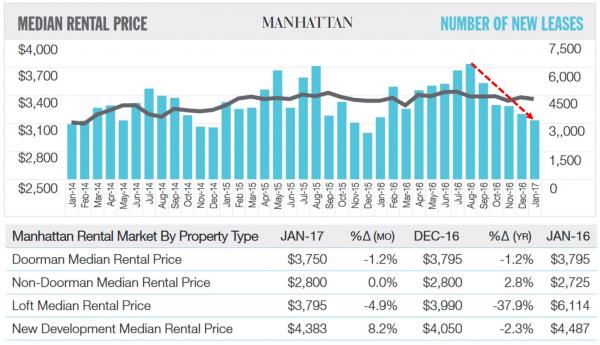
If there is good news about the average rental rates in New York City, NYC apartments , it is that their skyrocketing climb has somewhat abated in recent months. In fact, it can be argued that the overall rates have come down slightly, although most would agree that they are still too high. In Manhattan and Brooklyn, the rates reached all-time highs in January 2017, but they have dropped a little over the ensuring months.
Still, in Manhattan, NYC apartments, which is the home to the highest average rates, they have come down slightly in the past year from their high of $3,382 to $3,350 which should be seen as a sign of a potential turnaround. The average rents have come down across the board for one-bedroom and two-bedroom apartments along with luxury apartments which had been leading the way in terms of rising rates. Only in the newly developed apartments have the rates gone up over the past few months.
If you are looking for an apartment in Northwest Queens, the rates have actually come down over the past year. Today, they average about $2,800 which is slightly down from their high of $2,954. This is due no doubt to the number of new leases which has declined considerably over the same period. The expansion of the inventory has meant more availability for apartments in the area.
The same general trend can be found in Brooklyn where the numbers have decreased over the past few months as well. The overall median rates are $2,750 with studio apartments declined slightly to $2,296, one-bedrooms come in at $2,600, two bedrooms hit a flat $3,000 average, and the luxury market which is the source for most of the gains comes in at $5,411 on average which is little different compare to last year. Even the new development is down to $3,284 which shows that the overall market may be heading downward at least in the short term of the NYC apartments.
Experts consider the rental market to be in a period of fluctuation which means that it might be transitioning downward if the inventory of apartments continues to grow. However, it is also expected that the rates are not going to plummet anytime soon, but that they will gradually come down over time assuming that new renters avoid the big areas of Manhattan, Queens, and Brooklyn.
You can find the most expensive apartments in Manhattan in the Soho/Tribeca area that has a median rent of $5,225 per month with Gramercy/Flatiron coming in a distant second at $4,100. The Dumbo area of Brooklyn has an average of $5,000 while the downtown area is second at $3,600. These are rates which have only dipped slightly over the past year.
However, the average price of one-bedroom and two-bedroom NYC apartments remain high and the drop is only negligible when you consider the increases that have occurred over the past few years. However, there has been an increase in incentives as many apartment building owners have tossed in discounts like a free month’s rent to help lure in new renters.

In recent years, the average NYC rentals rates in New York City have skyrocketed, making it second only to San Francisco in terms of renting an apartment. However, the rates have not only slowed in their growth, but have started to dip for the first time since 2009 across the city. The indicators are that NYC is now turning into a renter’s market because of the decreasing demand and increasing number of new apartments that are being built.
Is the Rental Bubble About to Burst?
Considering that rental rates for apartments have gone up across the US over the past several years, the fact that they are tapering off now and perhaps even seeming to dip slightly could be seen as a sign that they might fall. However, it is difficult to look at the fluctuations of the past few months and conclude that a larger fall in rates is on the way. Still, there are signs that the rental bubble may be ready to collapse.
One reason to suspect that rates might be falling fast in the near future is because they are being supported by concessions from owners who offer new renters a month or two of free rent for their apartments. Because the monthly rate is still the same, it has no effect on the average, yet the renter is paying less money as a result. The trend of such concessions is not only widespread across NYC, but in some areas the free rent lasts for up to four months which indicates that a buyer’s market may be on the way.
Another indication is that the fluctuations cannot be accounted for by the seasonal changes that happen every year. There is always a downturn in renter interest during specific times of the year, yet when taking that into account, it still does not explain the general turnaround that appears to be starting. However, it’s also true that rental statistics are usually about two months behind in terms of when they are collected and when they can be examined.
In other words, NYC rentals already be in a decline for rents and the buyer’s market is here. Or, it could mean that this is a temporary fluctuation that may continue in the short term before bouncing back up later in the year. What is true is that over the past year rental rates across the city have been in decline with some reaching the levels they were at back in 2009.
The evidence is still mostly anecdotal as people are reporting what they are paying which may vary from the facts. Plus, there may be other factors involved such as apartments that are falling apart, landlords who are simply greedy, and the supply of new apartments not being discovered. What is true however, is that there is a glut of new apartments, both old and new, in the NYC already with the building of new units only accelerating.
This means that the main factor might be the building boom which ultimately may cause the NYC rentals in NYC to truly turn around and fall.