
(347) 878-5985Free Quote
Existing Customers
Looking to make a payment. Press the paypal link and enter the amount found on your invoice
Removing a temporary wall in NYC can open up your space. These walls are often used in rental apartments or shared spaces. If you want to remove one, this guide will show you how to do it safely.
A temporary wall is a wall that doesn’t hold up the building. It is used to divide a room or create more space in an apartment. Temporary walls are also called pressurized walls or partition walls. Pressurized walls stay in place because of pressure, not nails or screws. They are common in NYC because they help create separate rooms in small apartments.
Temporary walls are easy to remove. However, you need to follow the right steps to avoid problems.
People remove temporary walls for different reasons. In NYC, many people add these walls to make small apartments feel bigger. After some time, they may want to remove the wall to open up the space.
Renters may also need to take down the wall if their landlord asks them to. Sometimes, tenants remove these walls when they no longer need the extra room.
Before you remove a temporary wall in NYC, make sure it is allowed. You may need permission from your landlord or building manager. Some temporary walls have electrical wires or plumbing behind them. In these cases, you might need a permit to remove the wall.
Check with your landlord or building management before starting. If you remove the wall without permission, you could face fines or other issues.
Here are the tools you will need to remove a temporary wall:
Make sure you have everything ready before you start. This will help you finish the job faster.
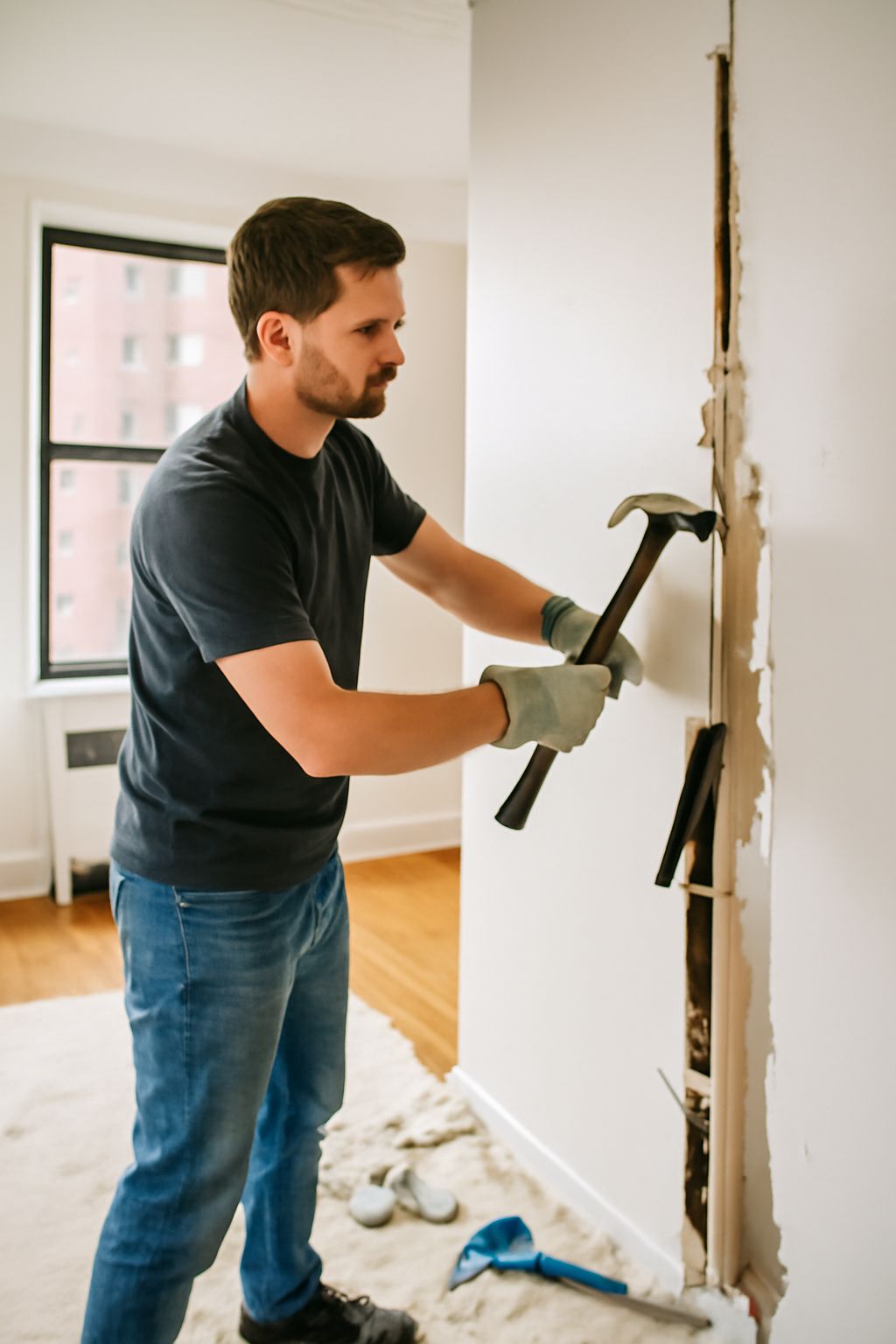
Follow these steps to remove a temporary wall safely:
Clear the area around the wall. Move any furniture or objects out of the way. You can protect the floor with a drop cloth to catch dust and debris. If the wall has any electrical wires or plumbing, turn off the power or water before you begin.
Remove any screws or nails that hold the wall in place. If it’s a pressurized wall, gently release the pressure to avoid damaging the wall or floor. Pressurized walls are held by tension, so be careful when taking them down.
Now, you can remove the drywall and frame. Use a utility knife to cut through the drywall. Then, carefully pull the pieces off. If there’s a frame, use a saw to cut it into smaller parts.
Be careful of any hidden wires or pipes as you work.
After the wall is removed, clean up the debris. Throw away the materials you don’t need, like drywall pieces and nails. If there are holes left in the floor, ceiling, or walls, patch them with drywall. Once you’ve patched the holes, smooth them out and paint over them.
Discover how All Week Walls has helped New York City residents transform living and office spaces using their damage-free pressurized wall systems. This case study highlights challenges, solutions, and benefits of pressurized wall technology that adds functional space without damage or permanent construction.
Download Full Case Study (PDF)Once the wall is gone, you will need to fix any holes or damage. Patch up the holes with drywall. Sand it smooth, then paint it to match the rest of the room. You might need to fix the floor or ceiling as well, depending on how the wall was attached.
If you don’t feel comfortable removing the wall yourself, you can hire a professional. A contractor can safely remove the wall and make sure the apartment is in good condition afterward. Hiring a professional can also help avoid any legal or safety issues.
If you decide to remove the wall yourself, make sure you understand the process. DIY can save money, but it requires the right tools and knowledge.
Removing a temporary wall in NYC can give your apartment a more open feel. Just make sure to check with your landlord or building manager first. Whether you do it yourself or hire a professional, follow the right steps to avoid mistakes. A little preparation can help you finish the job smoothly and safely.
Looking for expert temporary wall solutions in New York? Call All Week Walls today for professional service and installation.
Call Now: (347) 878-5985NYC apartments often have limited space. Temporary walls like pressurized, flex, and bookcase walls help residents create privacy and organize rooms without permanent changes.
Knowing the pros and cons of each type and legal considerations can help you find the best fit for your NYC home.
Living in New York City means dealing with small spaces. To make the most of every square foot, people look for smart ways to divide their rooms. Pressurized walls, flex walls, and bookcase walls are popular choices. Each type has benefits and suits different needs. This article will help you decide which NYC partition wall is the best fit for your apartment.


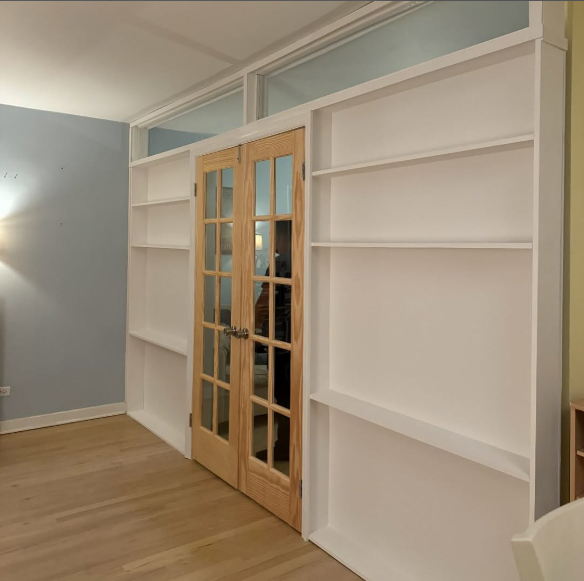


Pressurized walls are a top choice for NYC tenants who want privacy without damage. They use pressure to stay in place, so no drilling or nails are needed. This makes them easy to put up and remove. Many residents hire a pressurized wall company NYC for the job to ensure safety and legality.
These landlord-friendly walls are perfect for creating separate rooms or quiet spaces. They meet NYC laws for legal temporary walls NYC, so renters don’t risk breaking rules.
Flex walls offer a flexible way to change your space. You can move or remove them as needed. This makes flex wall installation NYC great for people who might want to adjust their layout often.
They are also affordable and quick to install. Many consider flex walls some of the best temporary walls NYC. Renters appreciate that these walls don’t leave marks or cause damage.
Bookcase walls are more than just dividers—they add storage. These bookcase partition NYC units hold books, decor, and other items while dividing rooms.
They are stylish and practical. Many apartment room divider NYC fans choose bookcase walls because they combine function with privacy. Plus, they usually qualify as legal temporary walls NYC, so landlords often approve them.
NYC partition walls usually touch the floor and ceiling, creating a solid barrier. Room dividers NYC are freestanding and easy to move but don’t close off spaces completely.
Room dividers are quick fixes, while partition walls offer more sound control and privacy. For renters, bookcase partition NYC or simple room dividers can be the best option when permanent changes aren’t allowed.
Many NYC residents want silent spaces. Soundproof wall NYC options help block noise between rooms. Some pressurized and flex walls come with soundproofing features.
When picking any temporary wall installation, ask about soundproofing to keep your apartment peaceful.
Before adding any temporary wall, check NYC rules. Legal temporary walls NYC must be safe and removable. Always get landlord approval and hire experienced companies.
Landlord-friendly walls NYC, like pressurized or bookcase walls, usually meet rules and cause no lasting damage. This protects your deposit when you move out.
Your choice depends on your space and budget. Bookcase walls NYC add storage and style, while flex walls offer flexibility. Pressurized walls give privacy without damage.
Think about soundproofing, costs, and landlord rules. Contact a pressurized wall company NYC or flex wall installer to find the best fit for your needs.
Discover how All Week Walls has helped New York City residents transform living and office spaces using their damage-free pressurized wall systems. This case study highlights challenges, solutions, and benefits of pressurized wall technology that adds functional space without damage or permanent construction.
Download Full Case Study (PDF)NYC apartments require smart space solutions. Pressurized walls, flex walls, and bookcase walls offer options to create privacy and storage without permanent changes. Knowing the benefits of each can help renters pick the best landlord-friendly walls NYC and improve their homes.
A1: Yes, pressurized walls are legal in NYC if they meet the city’s building codes for safety and removability. Legal temporary walls NYC must not block exits or affect ventilation systems. Many residents hire a pressurized wall company NYC experienced with these rules to ensure compliance and landlord approval. Always check local requirements before installation.
A2: Flex wall installation NYC offers flexibility and quick setup, making it ideal for renters who want to adapt their space frequently. Unlike permanent partitions, flex walls cause no damage and are often landlord-friendly walls NYC. They provide privacy and room separation while supporting changing needs in small NYC apartments.
A3: Bookcase walls NYC combine storage and partitioning in one unit. They serve as apartment room divider NYC solutions that add functionality while dividing spaces. These bookcase partitions NYC are popular for renters because they don’t require permanent installation, count as legal temporary walls NYC, and enhance organization without sacrificing style.
Looking for expert temporary wall solutions in New York? Call All Week Walls today for professional service and installation.
Call Now: (347) 878-5985Discover more about flex walls in NYC and how they can provide versatile, damage-free room solutions for city apartments. If you prefer creative storage and stylish dividers, explore our detailed information on bookcase walls in New York to maximize every inch of your space.
Temporary walls like soundproof flex walls NYC let renters and homeowners create privacy without permanent changes. They help reduce noise when paired with proper soundproof temporary walls NYC materials like acoustic panels and mass loaded vinyl.
Popular solutions include eco-friendly soundproof upgrades and modular panels. Renters use renter-friendly soundproofing ideas NYC such as DIY layering or professional soundproofing services NYC apartments to improve comfort and privacy.
Living in New York City means dealing with noise and small spaces. Many people use temporary walls to divide their apartments. One popular choice is the soundproof flex wall NYC. These walls help create new rooms without permanent changes. But sound can pass through them, so you need good soundproofing.
This blog will explain how to make soundproof temporary walls NYC that block noise. It covers tips, trends, and smart ideas for quiet living.
Temporary walls are easy to install. They help renters and homeowners make space without damaging walls. But their soundproofing is not always strong. That is why temporary pressurized walls sound insulation is needed. It helps reduce noise and keeps your privacy.
In NYC, noise can be a big problem. You might hear neighbors or street sounds. Many want noise reduction temporary wall New York solutions that work well.
To block noise, you need good materials. Common choices include:
These materials are popular as renter-friendly soundproofing ideas NYC residents want easy setups they can remove later.
Many materials can be used to create soundproof temporary walls in NYC. To explore materials and methods in more detail, check out our comprehensive guide on How to Soundproof Flex Wall in NYC, perfect for quiet NYC living. This guide covers popular material choices like foam, drywall, and installation tips to maximize noise reduction in your flex walls.
Here are some simple ways to improve soundproofing:
DIY methods are cheaper, but professionals can fix complex issues better.
New ideas are available in 2025. They include:
These trends match what NYC renters need for calm homes.
If noise is very bad, call experts. Companies offering soundproofing services NYC apartments can find the right fix for your space. Professionals give better results and can work within building rules.
Discover how All Week Walls has helped New York City residents transform living and office spaces using their damage-free pressurized wall systems. This case study highlights challenges, solutions, and benefits of pressurized wall technology that adds functional space without damage or permanent construction.
Download Full Case Study (PDF)They reduce noise a lot but can’t stop every sound.
Yes. Use renter-friendly soundproofing ideas NYC that don’t damage walls.
Using acoustic panels for temporary walls, plugging gaps, and adding layers helps without high costs.
Soundproofing temporary walls in NYC is key to a peaceful home. Whether you DIY or get an advanced soundproof flex wall NYC, there are many choices today. Using the right materials and methods helps block noise and keeps your apartment quiet and private.
You’re probably familiar with glass walls and doors, but did you know there are also pressurized flex walls? They’re a great option if you need to divide a room or create an entryway for special events. Whether planning an event at home or in the office, this guide will help you build the perfect flex wall for your space.
A flex wall is a type of partition or wall designed to be flexible and movable. It is typically made of lightweight and durable material, such as fabric or plastic. It is mounted on a track or other support system that allows it to be easily repositioned or removed. Flex walls are often used in office spaces, schools, and other commercial buildings to divide large areas into smaller, more manageable spaces.
This can help create a more open and versatile workspace and can also be used to create temporary barriers or to provide privacy. Flex walls are typically easy to install and can be customized with various colors, patterns, and designs to suit the needs of the space.
Here are the steps to build a temporary pressurized flex wall:
1. Gather the materials and tools you will need to build the pressurized flex wall, such as PVC pipes, connectors, a blower, a tarp or other flexible material, and a drill.
2. Determine the size and shape of the pressurized flex wall you want to build, and use the PVC pipes and connectors to create the frame for the wall. Make sure to connect the pipes using the connectors and a drill securely.
3. Attach the tarp or other flexible material to the frame using clips, ties, or other fasteners. Ensure the material is tightly secured to the frame so it will not sag or come loose when pressurized.
4. Set up the blower and connect it to the frame using a hose or other conduit. This will provide the air pressure needed to keep the wall upright and stable.
5. Turn on the blower and adjust the air pressure as needed to ensure that the wall is stable and secure. It may take some trial and error to get the right amount of pressure for your wall.
6. Once the pressurized flex wall is securely in place, you can use it to create a temporary partition or enclosure in your event space or other settings. Make sure to monitor the wall regularly to ensure that it remains stable and secure.
Overall, building a pressurized flex wall requires basic knowledge of PVC pipe construction and tools like a drill and a blower. It is a relatively simple process that can be completed in a few hours with the right materials and tools.
Flex walls are easy to install, and they can be installed in a matter of days. They do not require the same amount of time as other types of temporary walls.
Flex walls can be built in a matter of hours, depending on your structure’s size.
Flex walls are far less expensive than traditional walls. Depending on the size and complexity of your project, you can expect to spend anywhere from $1000 to $3500 per square foot.
Flex wall panels are also substantially cheaper than wood planks or other types of temporary walls that require installing heavy equipment like forklifts.
When considering the cost of a flex wall, it’s important to consider the initial purchase price and additional costs such as installation, customization, and maintenance. Additionally, it’s important to consider the long-term benefits of a flex wall, such as increased flexibility and functionality, and the potential cost savings that can result from its use. Overall, the cost of a flex wall can vary depending on several factors, and it’s best to consult with a local contractor or supplier to get a detailed and accurate estimate.
A flex wall is a type of partition or temporary wall that can be easily moved and rearranged. It is often used in office spaces and other commercial buildings to divide a large space into smaller, more versatile areas. Here are five potential uses for a flex wall:
A flex wall can quickly and easily create a private space for meetings, conference calls, or other activities. This is especially useful in open office layouts where permanent walls are not an option.
Flex walls divide large rooms, such as a conference rooms or gymnasiums, into smaller, more manageable areas. This can be useful for events, classes, or other activities that require multiple, distinct spaces.
It can create a temporary display area for products, artwork, or other items. This is a convenient and cost-effective way to showcase items without having to build a permanent structure.
It adds privacy to an open space, such as a cubicle or seating area. This can be useful for creating a more comfortable and focused work environment.
A flex wall can be used to block off an area that is undergoing construction or maintenance. This can help to prevent accidents and keep employees and customers safe.
Flex walls can be designed with soundproofing materials to reduce noise levels within a space. This is particularly useful in environments where noise can be a distraction, such as open-plan offices, recording studios, or music classrooms.
Building flex walls in NYC requires careful planning and attention to detail. It is important to obtain the necessary permits and follow all relevant building codes and regulations. By hiring a qualified contractor and using high-quality materials, you can ensure that your temporary pressurized walls are safe, effective, and built to last. With the right approach, you can create a functional and aesthetically pleasing partition that meets your needs and enhances your space.
A temporary wall is a great way to create extra space in your home or office without investing in permanent walls. The best part about these types of walls is that they’re cheap and easy to make. This post will explain how much it costs to build a temporary wall and how you can make one yourself.
The cost of a Manhattan temporary wall depends on the size and construction of the wall. The cost of materials is one factor, but other factors, such as labor and time, also affect the price.
The material used to construct a temporary wall can vary significantly in price. For example, standard plywood is cheaper than solid wood, while laminated plywood is more expensive. The thickness of the material will also affect the cost; thinner plywood panels are less costly than thicker ones.
The labor costs associated with constructing a temporary wall also influence its price. Workers must install studs in place before adding drywall, for example, which takes time and increases labor costs. If you’re building an entire room that requires additional support, such as a bedroom or office space, your contractor may charge more to ensure the walls are safe and secure.
A contractor who specializes in this type of project should be able to provide you with an accurate estimate based on their experience building similar projects in the past.
The price of a temporary wall will depend on the size and complexity of the project. For example, a temporary wall can be built in a few hours for around $1,500, but more complicated builds may cost upwards of $5,000. Temporary walls that take longer to build are often cheaper because they require less labor and materials.
Temporary walls can also cost less or more depending on whether you are hiring an architect or contractor. If you choose an architectural firm specializing in designing temporary structures, expect to pay top dollar for its expertise and design skills. However, if you hire someone who does not specialize in temporary structures—like an average construction company—you might end up paying less for their services since they won’t have any special knowledge about how to build them correctly.
Temporary walls can be a quick and easy way to create a new space in your home, but they come with some limitations. Here are some alternatives that might work better for your needs:
Consider using partitions instead of walls if you’re looking for a temporary solution that won’t block sound or light. They offer privacy without sacrificing natural light or ventilation and can be easily moved, removed, or reconfigured as needed.
For an even more flexible option, consider hanging curtains or drapes between rooms or along an entire wall to create the illusion of separate spaces without the cost and effort of building permanent walls.
These portable dividers are lightweight enough to move around as needed but sturdy enough to provide privacy between spaces when closed up or cover open areas as needed. They can also be folded up when not in use to save space and keep them out of the way until you need them next time!
It’s important to consider all the factors involved in building a temporary wall before deciding whether it’s suitable for your project. Here are some things that should be considered:
Temporary walls are usually less expensive than permanent ones, but this isn’t always the case. Some temporary wall systems can cost thousands of dollars, especially if they require special equipment such as cranes or forklifts. Therefore, you should review the materials list carefully before deciding which type of system will work best for you.
To ensure that it fits your space perfectly, measure the area first. Measure the space’s length, width, and height, including any doors or windows that might be in the way. This will help you determine what size of temporary wall you’ll need.
The type of material that is required for this type of project is also essential, as well as how many walls you need. You will also need to decide whether they will be portable or permanent since these two types have different uses and requirements when it comes down to their installation process.
You will be working with power tools and other equipment, so you must ensure that all the safety precautions are in place. You should always wear protective clothing and ensure your fingers are protected with gloves. Also, ensure that you have proper lighting and ventilation.
You can easily build a temporary wall with the right tools and materials. However, if you do not want to spend too much time on it, consider using pre-built panels from your local home improvement store or online stores like ours. These panels are easy to install and durable enough for daily use.
A cardboard box is the simplest and cheapest temporary wall. You can buy them at your local hardware store or grocery store.
Make sure to use boxes that are larger than your window or opening. You can also make your temporary walls out of cardboard boxes by following these instructions:
Cut off the top and bottom flaps of your box. Make sure they are even and straight.
Flatten out one side of the box, so it is as flat as possible. This will be the outside of your wall, so make sure it’s nice and smooth, so you don’t have to worry about any wrinkles or unevenness showing through when you apply paint or wallpaper over it.
Paint, wallpaper, or otherwise decorate it however you like!
If you’re looking for a temporary wall, many options are available. You can find one at a local hardware store or online retailer. If you want something more customized, then there is a temporary wall company NYC that specializes in these products to help you design it exactly how you want it.
If you’re looking for new sliding doors NYC, there are a few things to consider. A quality sliding door can be an excellent addition to your home. It’ll let in more light than a traditional swinging door while still providing the same functionality. So if you want to move air through your home or just have some extra light coming into it, this is a good option! But before you get started shopping around for these great doors, it’s important to know what makes them different from other types of doors out there. Here’s what we recommend:
When it comes to sliding doors, you have to take into consideration the size of the opening and what kind of space you’re trying to fill. A standard door is going to be about 6 feet wide when installed, so if your room is smaller than that and you want a full-width door, choose one that’s been designed specifically for small spaces.
You also need to keep in mind the width of the gap between your walls and how wide they are from side to side: if there’s not enough room for your new door then it won’t fit.
First and foremost, you will want to identify the best style for your decor. This can be as simple as choosing a glass sliding door if you’re looking for something modern and clean, or it could require selecting a more traditional style that works well with the existing interior of your home.
You should also consider what kind of functionality you need from your sliding doors. For example, do you want them to open in toward the room or out? Do they need to be able and withstand heavy use? These are important questions to ask because each style has its own unique strengths and weaknesses when it comes to durability and ease of use.
Finally, price is always an important factor when buying any large piece of furniture like this one so make sure that whatever budget works best for both parties involved before making any final decisions about which type would best fit all their needs
Sliding doors are usually made of aluminum, wood, or glass. Each type has its own advantages and disadvantages. In order to choose the best one, you should consider the purpose of using it and your budget.
If you need a door that is easy to install, then steel is the best option for you. It’s not expensive and it won’t require much maintenance. However, if you want something more beautiful and elegant, wooden sliding doors are perfect for you. You don’t have to worry about them getting damaged by water because they’re waterproofed by nature!.
Most modern sliding doors use a lock system where the door will not open unless you unlock it from inside or outside of the house with a key or remote control device such as an electronic fob or keypad. This is great for security but can be inconvenient if you’re trying to get into your home quickly after work or on a hot day when everyone wants in at once! Some models allow for remote unlocking so that everyone can get inside quickly without needing keys.
With so many types of handles to choose from, it’s important to know your options.
Handles are available in a variety of shapes and sizes. You can choose between round, square, or oval handles. They’re also available in metal (chrome) or wood materials for the most customization options.
Handles can be painted or stained—you have multiple color choices with this option!.
If you have plexiglass windows on your sliding doors, then you’ll need a handle made from clear plastic material that won’t block visibility through the window. But if your windows are already opaque enough to prevent people from seeing inside and you want something more decorative than clear plastic, then consider getting an opaque handle instead of a transparent one so that no light shines through it at night when you don’t want any lights turned on inside the room/house. This way there’s no need for turning the lights off during sleep time when everyone needs their beauty rest haha!!
If you have pets, a sliding door is an excellent choice. A pet-friendly sliding door can be designed with features that will prevent your pet from escaping or chewing the frame. Pet-proof doors are also available, but these tend to be more expensive than other types of sliding doors.
When you are planning to build a new home or renovate your existing one, it is always better to invest in soundproofing systems. These days, there are many different types of soundproofing systems available in the market that can be used both for residential and commercial buildings. However, before you finalize on any particular system, make sure that you have done all your homework well.
If you are looking for temporary soundproof walls and sliding doors NYC installation services or any other type of soundproofing system, then you should contact a walls company NYC. Here at All Week Walls NYC, our experts have extensive knowledge in this field and can provide the best solutions for all your needs.
Our expert technicians will help you choose the most suitable soundproofing solution that suits your budget as well as requirements perfectly. We will also guide you through the entire process from start to finish so that there are no issues later on when it comes to maintenance or repairs.
In the end, it’s up to you to choose the right sliding door. But by considering these factors and others, you can make sure you’re making an informed decision that will last for years—and bring you plenty of pleasure in the process.
Flex walls are powerful tools for retail spaces. They can divide spaces within an existing store, create a new seller space, or even be used as a highly catchy banner! How much does it cost to get flex walls in NYC? Read on about everything about flex walls in NYC.
A full-flex wall is a wall that can move in any direction, and this is achieved by using a combination of sliding tracks, rollers, and springs.
The tracks are usually made of aluminium, making them lightweight, easy to install, and cost-effective. The rollers are typically silicone, so they can easily glide along the tracks when we want to move our walls back and forth. The springs help push the walls back into place once we have stopped moving them.
Many kinds of full flex walls are available on the market today, each designed for a specific purpose or use. For example, entire flex walls can be used as an office divider or partition; some also come with features like doors or windows, while others offer privacy or protection from outside noise and light.
The cost of getting temporary pressurized walls or flex walls will depend on your specific needs and the type of wall you choose. Temporary walls can range from $1,000 to $3,500 per linear foot, depending on the material used and other factors. Flex walls come in various sizes and materials, so you should be able to find one that fits your budget.
The most common type of temporary wall is made from plywood sheets that are screwed together. These are typically installed by building contractors and can come with various finishes and panelling options.
Another option for temporary walls is to use a vinyl material printed on a large sheet of fabric that can be rolled out over the area where you want it to go. This option resembles a movie poster displayed at theatres or other public spaces. The printed image can be customized with any design or image you want, so it’s perfect for those who have an eye for interior design and want something more creative than basic plywood panels.
The thickness of a flex wall is dependent on the type of material used.
Flex walls can be made from various materials, including corrugated metal, plastic, and vinyl. The thickness of each material will vary depending on how much strength and durability you need.
If you’re looking for a lightweight option that’s easy to store, choose a thin polyester or vinyl product just over 2mm thick. They’re lightweight and easy to transport but may not be as durable as thicker options.
If you need something sturdier, look for 5mm or thicker products. These are made from metal or PVC and are often used in customer areas with heavy traffic or high winds.
One of the main benefits of using a flex wall is that it can be easily shaped into any curved shape or size you need. It’s not limited to 90-degree angles like traditional drywall. Because there are no seams or joints on these panels, they can be cut and shaped with minimal effort, making them ideal for creating custom-sized rooms.
LightweightCompared to traditional drywall, flex walls are much lighter, making them easy to handle alone or with just one helper. They also take up less storage space which means they can be stored longer before they need to be replaced or disposed of.
Easy to installBecause flex walls don’t require different support systems like traditional drywall, installing them takes less time than working with other materials.
DurabilityFlex walls are stronger than gypsum boards because they have more give and flexibility when exposed to heavy objects like furniture or appliances that might fall on them.
Cost savingsFlex walls cost less than traditional drywall because they don’t require an additional layer of gypsum board or plaster before installation. In addition, you can use the same tools to install and remove flex walls as you would for regular drywall.
The best way to soundproof a flex wall is with acoustic panels. These specially designed foam pieces will help keep the noise from your party out of the neighbours’ ears. They can be applied directly to your wall or ceiling or hung on it, whichever you prefer.
The main reason acoustic panels are so effective is that they absorb sound rather than reflect it. This means that instead of bouncing around the room and increasing in volume, it simply dies away and goes away from you and your friends. This can make all the difference in keeping things quiet at home so that you don’t have to worry about waking anyone up or keeping them awake!
Acoustic panels are also very easy to use and won’t take much time or effort on your part at all. You cut them down to size, apply them to your wall with glue or adhesive tape, and then leave them until they’re dry. Once they’re dried, however, they’ll stay permanently attached so that you don’t have to worry about taking them down later.
They’re also very affordable and easy to find online, which makes them an excellent investment for any homeowner who wants peace of mind when it comes.
Are you interested in temporary walls in NYC? If so, contact us for more information. We offer the best Manhattan temporary wall services at a price you can afford.
Our temporary walls are made from high-quality materials that will last for years. They are easy to install and can be taken down when you’re done with them.
We will work with you to create a customized design that fits your budget and meets your needs perfectly. Our team will work hard to ensure that you get precisely what you want at a fair and reasonable price.
Call today for more information about our Manhattan temporary walls services!
Flex walls are a great way to transform your home or office into a space that can be used for a variety of purposes. They are perfect for creating temporary rooms and dividing up large spaces. You can even use them to create a permanent room divider.
One of the biggest concerns with flex walls is how they are soundproofed. If you live in an apartment building or condo, you want to make sure that your flex wall won’t disturb your neighbors. This guide will show you how to soundproof flex walls NYC.
A flex wall is a system of panels that can be folded and unfolded to create an endless array of shapes and sizes. It’s a versatile, dynamic display that can be customized to fit any space, from small meeting rooms to large auditoriums.
Flex walls have been around for years in the world of trade show displays — but recently they’ve become more common in other applications as well. With their ability to change shape and size, flex walls are perfect for creating temporary dividers or dividing spaces into multiple areas within one room.
What makes a flex wall different from other types of displays? Flex walls are composed of many different panels, which can be folded or unfolded without tools or any special knowledge or experience. The process is simple enough that anyone can do it — no special training is required!
Flex walls aren’t just limited to being used as a divider; they can also be used as a backdrop behind an exhibit booth at an event or trade show. They’re an excellent way to transform any space into something extraordinary while adding an element of interactive fun for attendees who might want to try out the product themselves!
There are several materials you can use to create a soundproof flex wall. Here are some of the most popular choices:
Foam is the cheapest and most common material used for soundproofing. It’s also the least effective. The main problem with foam is that it absorbs sound rather than deflecting it, so all of the noise will still come through at full volume. If you’re looking for a cheap solution and don’t want to spend too much money, then foam is a good start.
Drywall is much more effective than foam because it deflects the sound rather than absorbing it. You’ll still hear some noise coming through, but it will be much lower in volume and less irritating to listen to. Drywall is also easier to install than most other types of materials because it comes pre-cut into panels that you just need to screw into place on your flex wall. This means you don’t have to worry about cutting them down yourself or having uneven edges that make them look messy when installed correctly.
How to soundproof a flex wall using drywall
1. Make sure that the drywall is properly attached to the studs or furring strips. You can’t soundproof a flex wall if there are gaps between the drywall and the framing members!
2. If there are cracks or openings in your flex wall (such as around electrical outlets), seal them up with expanding foam insulation before adding any additional drywall layers.
3. To avoid having too much weight on one side of the flex wall, make sure that each row of panels sits directly above an existing row of panels (use studs or furring strips as support).
Temporary walls NYC are a great way to unify an area that has multiple separate spaces. They can be used to create a temporary room in your home or office, or they can be used to divide rooms that are already built. Temporary walls are also useful if you have some large furniture pieces or other items that need to be moved around often.
We are a temporary wall company NYC that has been installing temporary walls for a while and we have experience in installing temporary walls for home and office spaces. We try to make sure your project is completed quickly and efficiently. We offer free consultations and estimates so you know what you’re getting before we start working on your project.
Temporary walls are a great option for many homeowners, especially those who want to make their space more functional or extend the life of their homes. They’re also a perfect alternative for renters or those who are moving into new construction.
There are several companies that offer these products, so you have a lot of choices when it comes to finding the right one for your project. Here’s how to find the best temporary wall company in NYC:
There are many types of temporary wall systems available in NYC. The most common types of temporary walls include: