Looking to make a payment. Press the paypal link and enter the amount found on your invoice
Pressurized vs. Flex vs. Bookcase Walls: Which is Best for NYC Living?
Pressurized vs. Flex vs. Bookcase Walls: Which is Best for NYC Living?
NYC apartments often have limited space. Temporary walls like pressurized, flex, and bookcase walls help residents create privacy and organize rooms without permanent changes.
Pressurized walls offer damage-free, landlord-friendly partitions that are easy to install and remove.
Flex walls provide flexibility with quick setup, ideal for renters who want adaptable living spaces.
Bookcase walls combine storage and room division stylishly and legally for many NYC renters.
Knowing the pros and cons of each type and legal considerations can help you find the best fit for your NYC home.
Living in New York City means dealing with small spaces. To make the most of every square foot, people look for smart ways to divide their rooms. Pressurized walls, flex walls, and bookcase walls are popular choices. Each type has benefits and suits different needs. This article will help you decide which NYC partition wall is the best fit for your apartment.
What Are Pressurized Walls?
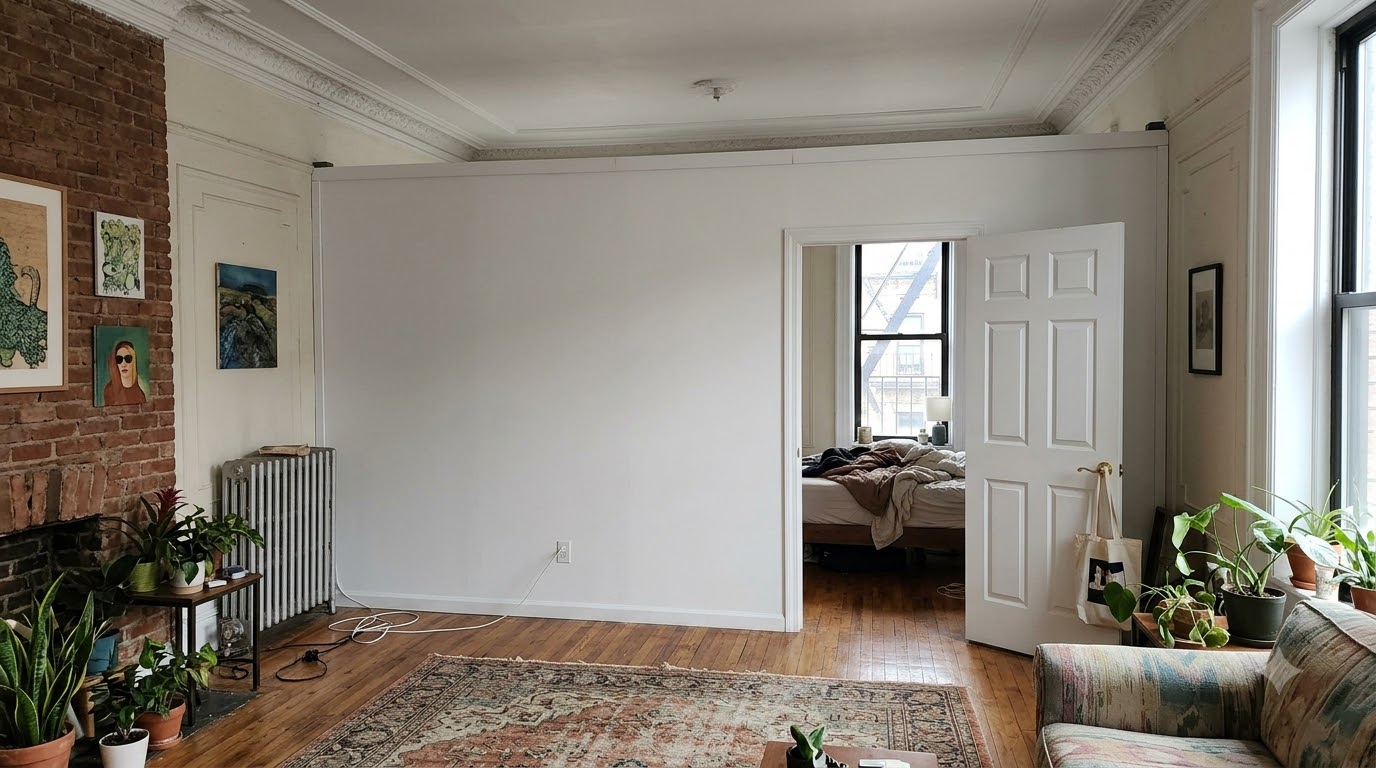
Pressurized walls are a top choice for NYC tenants who want privacy without damage. They use pressure to stay in place, so no drilling or nails are needed. This makes them easy to put up and remove. Many residents hire a pressurized wall company NYC for the job to ensure safety and legality.
These landlord-friendly walls are perfect for creating separate rooms or quiet spaces. They meet NYC laws for legal temporary walls NYC, so renters don’t risk breaking rules.
Exploring Flex Walls for NYC Apartments
Flex walls offer a flexible way to change your space. You can move or remove them as needed. This makes flex wall installation NYC great for people who might want to adjust their layout often.
They are also affordable and quick to install. Many consider flex walls some of the best temporary walls NYC. Renters appreciate that these walls don’t leave marks or cause damage.
The Appeal of Bookcase Walls
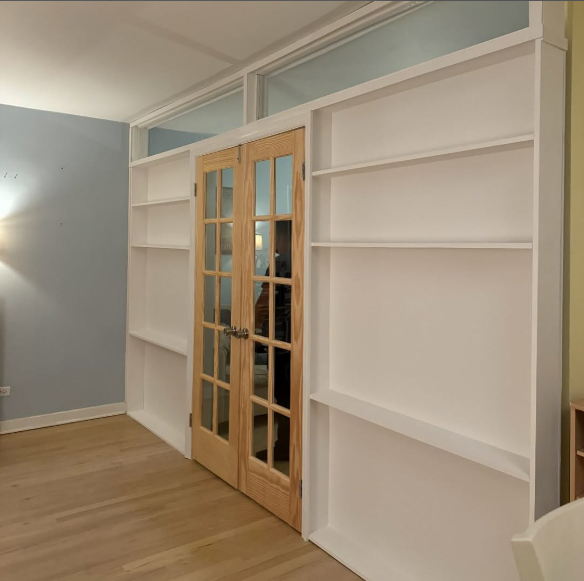
Bookcase walls are more than just dividers—they add storage. These bookcase partition NYC units hold books, decor, and other items while dividing rooms.
They are stylish and practical. Many apartment room divider NYC fans choose bookcase walls because they combine function with privacy. Plus, they usually qualify as legal temporary walls NYC, so landlords often approve them.
Comparing NYC Partition Walls and Room Dividers
NYC partition walls usually touch the floor and ceiling, creating a solid barrier. Room dividers NYC are freestanding and easy to move but don’t close off spaces completely.
Room dividers are quick fixes, while partition walls offer more sound control and privacy. For renters, bookcase partition NYC or simple room dividers can be the best option when permanent changes aren’t allowed.
Soundproof Wall Options in NYC Living Spaces
Many NYC residents want silent spaces. Soundproof wall NYC options help block noise between rooms. Some pressurized and flex walls come with soundproofing features.
When picking any temporary wall installation, ask about soundproofing to keep your apartment peaceful.
Legal and Practical Considerations
Before adding any temporary wall, check NYC rules. Legal temporary walls NYC must be safe and removable. Always get landlord approval and hire experienced companies.
Landlord-friendly walls NYC, like pressurized or bookcase walls, usually meet rules and cause no lasting damage. This protects your deposit when you move out.
Choosing the Best Temporary Wall for Your NYC Apartment
Your choice depends on your space and budget. Bookcase walls NYC add storage and style, while flex walls offer flexibility. Pressurized walls give privacy without damage.
Think about soundproofing, costs, and landlord rules. Contact a pressurized wall company NYC or flex wall installer to find the best fit for your needs.
Case Study: Pressurized Wall Installation – All Week Walls, NYC
Discover how All Week Walls has helped New York City residents transform living and office spaces using their damage-free pressurized wall systems. This case study highlights challenges, solutions, and benefits of pressurized wall technology that adds functional space without damage or permanent construction.
NYC apartments require smart space solutions. Pressurized walls, flex walls, and bookcase walls offer options to create privacy and storage without permanent changes. Knowing the benefits of each can help renters pick the best landlord-friendly walls NYC and improve their homes.
FAQs
Q1: Are pressurized walls legal to install in NYC apartments?
A1: Yes, pressurized walls are legal in NYC if they meet the city’s building codes for safety and removability. Legal temporary walls NYC must not block exits or affect ventilation systems. Many residents hire a pressurized wall company NYC experienced with these rules to ensure compliance and landlord approval. Always check local requirements before installation.
Q2: What are the benefits of flex walls compared to other room dividers in NYC?
A2: Flex wall installation NYC offers flexibility and quick setup, making it ideal for renters who want to adapt their space frequently. Unlike permanent partitions, flex walls cause no damage and are often landlord-friendly walls NYC. They provide privacy and room separation while supporting changing needs in small NYC apartments.
Q3: How do bookcase walls help with room division and storage in NYC apartments?
A3: Bookcase walls NYC combine storage and partitioning in one unit. They serve as apartment room divider NYC solutions that add functionality while dividing spaces. These bookcase partitions NYC are popular for renters because they don’t require permanent installation, count as legal temporary walls NYC, and enhance organization without sacrificing style.
Contact All Week Walls
Looking for expert temporary wall solutions in New York? Call All Week Walls today for professional service and installation.
Discover more about flex walls in NYC and how they can provide versatile, damage-free room solutions for city apartments. If you prefer creative storage and stylish dividers, explore our detailed information on bookcase walls in New York to maximize every inch of your space.
Soundproofing NYC Temporary Walls: What Actually Works
Living in New York City means dealing with noise in a small space. Many renters use temporary walls to divide their apartments — a bedroom for a roommate, a home office, a nursery. These walls create real separation, but a standard wall doesn’t fully block sound on its own. If quiet matters to you, soundproofing is worth understanding before you book your install.
Why Standard Temporary Walls Don’t Fully Block Sound
A pressurized or flex wall stays in place using tension against your floor and ceiling — it isn’t directly attached the way a permanent wall is. That’s what makes it removable and damage-free, but it also means sound has an easier path around it than it would with real construction. A standard wall dampens some noise, but it isn’t built for full acoustic isolation on its own.
How Professional Soundproofing Works
Soundproofing isn’t something you add on top of a finished wall — it’s built into the panel during installation. The crew adds acoustic insulation, typically mineral wool or dense foam, inside the wall cavity before the surface is finished. Because it’s inside the panel, the wall looks identical from either side; there’s no visible sign the upgrade was added.
This upgrade adds $350 to the cost of your wall. Since it has to be built in from the start, request it when you book your quote rather than trying to add it after the wall is already up.
Who Should Add Soundproofing
Splitting a room with a roommate — different schedules and sleep times make sound isolation matter more.
Working from home — reduces sound bleed in both directions during calls.
A nursery — keeps a sleeping baby from being disturbed by activity elsewhere in the apartment.
Light sleepers — street noise or a roommate’s schedule becomes far less disruptive.
What Soundproofing Doesn’t Do
Added insulation significantly reduces noise and makes daily activity and normal conversation much less noticeable, but it won’t match the isolation of poured concrete or a fully framed permanent wall. If you need studio-grade sound isolation for something like music production, that’s a more specialized need than a residential temporary wall is built for.
A Note on DIY Fixes
You’ll find plenty of advice online about layering foam panels, hanging curtains, or sealing gaps with caulk on an existing wall. These can take the edge off minor noise, but they don’t come close to insulation built into the wall itself during installation — and none of them address the core issue, which is that the wall’s construction, not its surface, determines how much sound gets through. If soundproofing matters to you, it’s worth doing right from the start rather than layering fixes on afterward.
Case Study: Pressurized Wall Installation – All Week Walls, NYC
Discover how All Week Walls has helped New York City residents transform living and office spaces using their damage-free pressurized wall systems. This case study highlights challenges, solutions, and benefits of pressurized wall technology that adds functional space without damage or permanent construction.
Common Questions About Soundproofing Temporary Walls
Does the soundproofing upgrade actually work?
Yes — it significantly reduces noise transfer in both directions. It won’t eliminate every sound the way a concrete wall would, but for normal conversation, footsteps, and daily activity, the difference is very noticeable.
Can I add soundproofing after my wall is already installed?
It’s much more effective when built in from the start, since the insulation goes inside the wall cavity during construction. If your wall is already up, call us to discuss options — but requesting it at booking gets the best result.
How much does soundproofing cost?
Soundproofing adds $350 to the cost of your wall. A standard pressurized or flex wall starts at $2,250, so a soundproofed wall starts at $2,600.
Conclusion
If noise matters to your situation — a roommate split, a home office, a nursery, or just wanting real quiet — soundproofing is a straightforward, one-time addition at the time of installation. Call (646) 453-4443 for a free same-day quote and ask about soundproofing when you book.
Everything to Know About Temporary Walls for NYC Apartments
Do you need more space in your NYC apartment? Maybe you’re looking to set up a home office, create a separate bedroom, or simply get more privacy in a shared space. Temporary walls are the most common solution NYC renters turn to — they’re flexible, affordable, and don’t require permanent construction.
This guide covers everything: how temporary walls actually work, which type fits your situation, what to expect from your landlord, and what it costs. By the end, you’ll know exactly what to ask for when you call.
Quick Facts
Pricing: Pressurized and flex walls from $2,250, 8 ft ceiling, up to 12 ft wide, includes a standard swing door. Bookcase walls from $3,250.
Permit required: No, in the overwhelming majority of cases.
Installation time: Most walls go up in a single day.
Removal: Quoted at the site measure — handled by the same crew, no damage left behind.
How Do Temporary Walls Actually Work?
Every type of temporary wall shares the same core principle: none of them are fastened to your apartment. Instead of nails, screws, or adhesive, they rely on tension against the floor, ceiling, and surrounding walls to stay in place. That’s what makes them legal without a permit and safe for your security deposit — when the wall comes down, nothing was ever attached in the first place.
Pressurized Walls
The most common type. A pressurized wall runs floor-to-ceiling and looks like a real wall once it’s painted to match. It’s built to your exact room dimensions, then pressed into place so tension holds it firmly against the surrounding surfaces. This is the right choice when you want a solid, room-like division — adding a bedroom, splitting a living room, or creating a private home office.
Partial Walls
A lighter-touch option that stops about a foot below the ceiling instead of running full height. Partial walls keep more airflow and natural light moving between the two spaces, which makes them a good fit when you want separation without fully enclosing a room. They typically don’t include a door — a curtain works instead.
Bookcase Walls
A bookcase wall combines a room divider with built-in shelving on one side. It’s the best option when storage is as much a priority as privacy — you get the room division and skip buying a separate bookshelf.
Choosing the Right Type for Your Apartment
The right choice depends on your layout, how much privacy you actually need, and whether storage is a factor. A pressurized wall is the default for most bedroom or office conversions. A partial wall works well when you want to divide a large open room without losing light or airflow. A bookcase wall makes sense in a studio or small one-bedroom where closet space is already tight.
Talking to Your Landlord
Because temporary walls don’t require a permit, you don’t legally need your landlord’s permission to install one in most standard leases. That said, a quick heads-up avoids any awkward conversation later — and some co-op or condo boards do require advance notice even for non-structural changes. Here’s how to make that conversation go smoothly:
1. Check your lease first. Look for any clause about “alterations” or “modifications.” Most standard leases don’t restrict removable, non-destructive changes, but it’s worth confirming before you book.
2. Explain it plainly. State it as a fact with a courtesy heads-up, not a request for permission: “I’m installing a removable, non-damaging wall — no nails, no drilling, fully reversible when I move out.”
3. Put it in writing. An email or text thread is enough. It’s not a request for a signature — it’s a record in case anything comes up later.
4. Confirm your building’s specific rules. Co-op and condo boards sometimes have their own house rules beyond city code. Check yours before assuming.
5. Plan for removal from day one. Know the removal process before you install, not as a surprise during your last month on the lease.
Ready to Add a Room to Your Apartment?
Call (646) 453-4443 for a free same-day quote. Most installs across Brooklyn, Manhattan, Queens, the Bronx, and Staten Island are scheduled within the week.
How much does a temporary wall cost in NYC?
Pressurized and flex walls start at $2,250. Bookcase walls start at $3,250. For a full breakdown by wall type and add-ons, see our complete pricing guide.
Do I need a permit?
No, in most cases. Temporary, removable partitions that don’t connect to a building’s mechanical systems generally fall outside NYC’s permitting requirements. See our full permit guide for details.
Will it damage my apartment?
No. Because the wall is never fastened to your floor, ceiling, or walls, there’s nothing to patch or repair when it comes down.
Which type is right for me?
A pressurized wall is the default choice for most bedroom or office conversions. A bookcase wall makes sense when storage is also a priority. A partial wall works well when you want separation without fully enclosing the space.
All Week Walls has installed 5,000+ temporary walls across all five NYC boroughs over 15+ years. For a free quote, call (646) 453-4443.
Flex Wall Guide: How to Build Temporary Pressurized Walls in NYC
You’re probably familiar with glass walls and doors, but did you know there are also pressurized flex walls? They’re a great option if you need to divide a room or create an entryway for special events. Whether planning an event at home or in the office, this guide will help you build the perfect flex wall for your space.
What is a flex wall?
A flex wall is a type of partition or wall designed to be flexible and movable. It is typically made of lightweight and durable material, such as fabric or plastic. It is mounted on a track or other support system that allows it to be easily repositioned or removed. Flex walls are often used in office spaces, schools, and other commercial buildings to divide large areas into smaller, more manageable spaces.
This can help create a more open and versatile workspace and can also be used to create temporary barriers or to provide privacy. Flex walls are typically easy to install and can be customized with various colors, patterns, and designs to suit the needs of the space.
How do you build temporary pressurized walls in NYC?
Here are the steps to build a temporary pressurized flex wall:
1. Gather the materials and tools you will need to build the pressurized flex wall, such as PVC pipes, connectors, a blower, a tarp or other flexible material, and a drill.
2. Determine the size and shape of the pressurized flex wall you want to build, and use the PVC pipes and connectors to create the frame for the wall. Make sure to connect the pipes using the connectors and a drill securely.
3. Attach the tarp or other flexible material to the frame using clips, ties, or other fasteners. Ensure the material is tightly secured to the frame so it will not sag or come loose when pressurized.
4. Set up the blower and connect it to the frame using a hose or other conduit. This will provide the air pressure needed to keep the wall upright and stable.
5. Turn on the blower and adjust the air pressure as needed to ensure that the wall is stable and secure. It may take some trial and error to get the right amount of pressure for your wall.
6. Once the pressurized flex wall is securely in place, you can use it to create a temporary partition or enclosure in your event space or other settings. Make sure to monitor the wall regularly to ensure that it remains stable and secure.
Overall, building a pressurized flex wall requires basic knowledge of PVC pipe construction and tools like a drill and a blower. It is a relatively simple process that can be completed in a few hours with the right materials and tools.
How long does it take to build a pressurized flex wall?
Flex walls are easy to install, and they can be installed in a matter of days. They do not require the same amount of time as other types of temporary walls.
Flex walls can be built in a matter of hours, depending on your structure’s size.
How much does a flex wall cost?
A flex wall from All Week Walls starts at $2,250 — it’s the same pressurized wall product installed by our crew, not a DIY blower-and-tarp kit, so the per-square-foot DIY pricing above doesn’t apply to what we actually sell.
Flex wall panels are also substantially cheaper than wood planks or other types of temporary walls that require installing heavy equipment like forklifts.
When considering the cost of a flex wall, it’s important to consider the initial purchase price and additional costs such as installation, customization, and maintenance. Additionally, it’s important to consider the long-term benefits of a flex wall, such as increased flexibility and functionality, and the potential cost savings that can result from its use. Overall, the cost of a flex wall can vary depending on several factors, and it’s best to consult with a local contractor or supplier to get a detailed and accurate estimate.
When would I use a flex wall?
A flex wall is a type of partition or temporary wall that can be easily moved and rearranged. It is often used in office spaces and other commercial buildings to divide a large space into smaller, more versatile areas. Here are five potential uses for a flex wall:
Create temporary offices or meeting rooms:
A flex wall can quickly and easily create a private space for meetings, conference calls, or other activities. This is especially useful in open office layouts where permanent walls are not an option.
Divide a large room into smaller areas:
Flex walls divide large rooms, such as a conference rooms or gymnasiums, into smaller, more manageable areas. This can be useful for events, classes, or other activities that require multiple, distinct spaces.
Create a temporary display area:
It can create a temporary display area for products, artwork, or other items. This is a convenient and cost-effective way to showcase items without having to build a permanent structure.
Add privacy to an open space:
It adds privacy to an open space, such as a cubicle or seating area. This can be useful for creating a more comfortable and focused work environment.
Block off an area for construction or maintenance:
A flex wall can be used to block off an area that is undergoing construction or maintenance. This can help to prevent accidents and keep employees and customers safe.
Soundproofing barrier
Flex walls can be designed with soundproofing materials to reduce noise levels within a space. This is particularly useful in environments where noise can be a distraction, such as open-plan offices, recording studios, or music classrooms.
Conclusion
Building flex walls in NYC requires careful planning and attention to detail. It is important to obtain the necessary permits and follow all relevant building codes and regulations. By hiring a qualified contractor and using high-quality materials, you can ensure that your temporary pressurized walls are safe, effective, and built to last. With the right approach, you can create a functional and aesthetically pleasing partition that meets your needs and enhances your space.
Sliding Doors for NYC Temporary Walls: What to Know Before You Choose
If you’re adding a temporary wall to your NYC apartment and trying to decide on a door, a sliding option is worth considering — especially in a tight room where a swing door would eat up floor space you can’t spare. Here’s what actually matters when choosing between a swing door and a sliding door for your pressurized wall.
Swing Door vs. Sliding Door: The Real Difference
A standard swing door is included in the base price of a pressurized wall and needs 30 to 36 inches of clearance to open fully. That’s rarely a problem in a full-size bedroom, but it can be a real constraint in a narrow studio or a tightly divided room.
A pocket sliding door solves that problem by disappearing into the wall cavity instead of swinging into the room. It adds $300 to the cost of your wall, and it’s the right call whenever floor space is tighter than the door’s swing radius would allow — a narrow home office nook, a small nursery carved out of a bedroom corner, or any room where every square foot is already spoken for.
When a Sliding Door Makes Sense
Narrow rooms. If your new room is 6 feet wide or less, a swing door’s clearance can eat up a meaningful share of the usable space. A sliding door keeps the full footprint available for furniture.
Home offices and nurseries. These rooms tend to be smaller than a primary bedroom, and renters often want to leave the door open most of the day — a sliding door is easier to leave partially open without a door swinging into a hallway or shared space.
Tight hallway access. If your new room opens directly onto a hallway or another doorway, a swing door can physically collide with foot traffic. A sliding door removes that risk entirely.
When to Stick with a Swing Door
If you have the floor space for it, a swing door is the simpler, already-included option — no reason to pay extra for a sliding mechanism you don’t need. It’s also the better choice for a primary bedroom, where full privacy and a solid seal matter more than saving a few square feet.
Other Door Options
Beyond the standard swing and pocket sliding doors, we also offer a single French door (+$450) for rooms where natural light matters more than privacy, and a pocket French door (+$750) that combines the light of French doors with the space-saving benefit of a pocket slide.
Getting the Right Door for Your Space
The best way to decide is to measure your room before you call. Tell us the width of the space and what’s on the other side of the doorway — a hallway, another room, a closet — and we’ll recommend the door type that actually fits your layout, not just the cheapest option.
Not Sure Which Door Fits Your Space?
Call (646) 453-4443 for a free same-day quote. Tell us your room’s dimensions and we’ll recommend the right door type.
Choosing between a swing door and a sliding door comes down to one question: does your room have the clearance for a door to swing open? If yes, the included swing door is the simplest choice. If space is tight, a pocket sliding door for $300 more solves the problem without sacrificing the room’s usability.
For more on temporary soundproof walls, see our soundproofing guide. For general questions about installation, contact All Week Walls — call (646) 453-4443 for a free same-day quote.
Originally published | Updated
Temporary Wall Cost NYC 2026: Full Pricing Breakdown
A pressurized temporary wall installed in a Brooklyn one-bedroom — this setup starts at $2,250 in 2026, with the final price depending on ceiling height and wall width.
2026 Quick Facts: Temporary Wall Costs in NYC
Pressurized walls: From $2,250, 8 ft ceiling, up to 12 ft wide — standard swing door included.
Flex walls: From $2,250 — same product as pressurized, different name.
Bookcase walls: From $3,250 — room divider plus built-in shelving.
Soundproofing add-on: $350. Mineral wool or dense foam insulation.
Removal: Quoted at the site measure.
Installation time: Most installs done in one day — 2 to 5 hours.
Permits: Not required in most NYC apartments.
Free same-day quote: Call (646) 453-4443. Response within the hour.
The temporary wall cost in NYC in 2026 starts at $2,250 for a standard pressurized or flex wall. Bookcase walls — the kind with built-in shelving on one side — start at $3,250. All three types are installed in a single day with no nails, no screws, and no damage to your apartment.
If you are trying to split a studio in Crown Heights, add a home office in a Park Slope one-bedroom, or create a private room for a new roommate in Astoria, the price you end up paying depends on three things: how big the wall is, what ceiling height you have, and whether you want soundproofing. This guide breaks down every number so you know exactly what to budget before you call.
How Much Does a Temporary Wall Cost in NYC in 2026?
Pressurized wall, 8 ft ceiling, up to 12 ft wide, includes a standard swing door: From $2,250
Flex wall: From $2,250 — same product, different name
Bookcase wall: From $3,250
Soundproofing add-on (any wall type): +$350
Single French door: +$450
Pocket sliding door: +$300
Pocket French door: +$750
What Most NYC Renters Actually Pay
The most common install is a standard pressurized wall with a swing door, which is included in the $2,250 floor. Renters in pre-war buildings in the West Village or Harlem — where ceilings can reach 9 or 10 feet — add $250 to $500 for the extra height. For side-by-side differences between wall types, see our pressurized vs flex vs bookcase comparison.
Pressurized Wall Cost in NYC
Standard Wall With a Swing Door
A standard pressurized wall up to 12 feet wide, with a swing door included, starts at $2,250. This is the floor price and works well for most standard-ceiling apartments (8 feet) — for example, splitting a long living room in an Astoria one-bedroom.
Upgrading Your Door
A standard swing door is already included in the floor price. If you want something different: a single French door — two panels that open from the center — adds $450, and is a popular choice in larger Manhattan apartments. A pocket sliding door adds $300, useful in tighter spaces where a swinging door would cut into the room. A pocket French door adds $750. All door types can be painted to match your existing walls.
Want the exact price for your apartment?
Call (646) 453-4443 for a free same-day quote. Tell us your ceiling height and the rough size of the wall. You will hear back within the hour — not the next week.
Get a Free Quote →
Flex Wall and Bookcase Wall Costs in NYC
Flex Wall Pricing
Flex walls and pressurized walls use the same core pressure-fit technology and are priced identically — flex wall is simply a different name for the same product. A standard flex wall starts at $2,250. This option is popular in Midtown and Upper West Side apartments where renters want the wall to look as close to permanent as possible.
Bookcase Wall Pricing
Bookcase walls add open shelving to the back side of the divider — so one side of the wall looks solid and the other holds books, plants, or storage bins. They start at $3,250. In a city where closet space is scarce, the built-in storage makes the price difference worth it for many renters in Brooklyn studios and Bronx one-bedrooms. If you were going to buy standalone bookshelves anyway, the total often evens out.
What Else Affects the Price of a Temporary Wall?
Ceiling Height
NYC ceiling heights vary more than most renters expect. Newer buildings in Long Island City or Williamsburg often have 8-foot ceilings — the standard floor price. Pre-war buildings in Harlem, the West Village, or Park Slope commonly hit 9 or 10 feet, which adds $250 for a 9-foot ceiling or $500 for a 10-foot ceiling.
Wall Width
The floor price covers up to 12 feet wide. Each additional foot beyond that adds $190. An L-shaped or corner wall, up to 12 ft total run with one corner and a standard swing door included, starts at $3,250.
Soundproofing
Adding mineral wool or dense foam acoustic insulation inside the wall panels costs an additional $350. This is worth it if you are creating a home office in a co-living situation in Ridgewood or Bed-Stuy, converting a studio for a roommate who works early shifts, or just need to reduce noise between a sleeping area and a living room.
What Does Temporary Wall Removal Cost in NYC?
Removal Is Quoted at the Site Measure
When your lease ends, we come back, take the wall down, and leave your apartment exactly as we found it. Your landlord has no structural change to inspect for, because there isn’t one. Ask for a removal estimate at the same time as your install quote so you know your full cost upfront.
Temporary Wall vs. Permanent Wall: Which Costs Less?
A Temporary Wall Wins on Cost Every Time
A permanent wall renovation in NYC typically costs $5,000–$15,000 by the time you include permits, materials, contractor labor, and the cost of restoring the apartment when you leave. A temporary wall starts at $2,250 installed and leaves no trace when removed. Therefore, for renters — particularly those on standard 1- or 2-year leases — there is no financial argument for choosing permanent construction. For the full numbers side by side, see our guide to temporary vs permanent wall costs in NYC.
Do Temporary Walls Require a Permit — and Does That Affect the Cost?
In Most Cases: No Permit, No Extra Cost
Temporary walls that do not connect to a building’s mechanical systems generally do not require a permit under NYC Department of Buildings rules. That keeps your cost down and your timeline short — no filing fees, no inspector visits, no delays. However, some co-ops and older buildings have specific rules. If you are unsure about your building, read our full answer to whether you need a permit for a temporary wall in NYC. For a broader look at how NYC law treats temporary walls, see our NYC temporary wall laws & permits guide.
Frequently Asked Questions About Temporary Wall Costs in NYC
How much does a temporary wall cost in NYC in 2026?
Pressurized and flex walls start at $2,250. Bookcase walls start at $3,250. Soundproofing adds $350 to any setup. A single French door adds $450, a pocket sliding door adds $300, and a pocket French door adds $750.
Is there a cheaper option for a temporary wall in NYC?
The floor for any standard wall — pressurized or flex — is $2,250, with a swing door included. That’s the starting point regardless of room size, as long as the ceiling is 8 feet and the wall is up to 12 feet wide.
What does removal cost for a temporary wall in NYC?
Removal is quoted at the site measure. All Week Walls removes the wall when your lease ends and keeps your security deposit intact. Schedule removal before your move-out date by calling (646) 453-4443.
Can a temporary wall be installed in one day in NYC?
Yes. Most installs take 2–5 hours. Larger walls or setups with French doors may take a full day. Same-week installation is available across all five NYC boroughs — Brooklyn, Manhattan, Queens, the Bronx, and Staten Island.
Know your budget. Get the exact price for your apartment today.
Call (646) 453-4443 for a free same-day quote. Most installs across Brooklyn, Manhattan, Queens, the Bronx, and Staten Island are scheduled within the week. You will hear back the same day you reach out — not 48 hours later.
Call (646) 453-4443 →
AW
All Week Walls Editorial Team
All Week Walls has installed 5,000+ temporary walls across all five NYC boroughs over 15+ years. Our team works with renters, landlords, and property managers throughout Brooklyn, Manhattan, Queens, the Bronx, and Staten Island. For a free quote, call (646) 453-4443.
How to Soundproof a Flex Wall in NYC
Flex walls are one of the most common ways NYC renters add a room without permanent construction — but a standard wall only provides so much acoustic separation on its own. If you’re sharing space with a roommate, working from home, or just want real quiet on the other side of your new wall, soundproofing is worth adding. Here’s how it actually works.
What Is a Flex Wall?
A flex wall is the same pressure-fit product as a pressurized wall, sold under a different name. It runs floor-to-ceiling and stays in place using tension against your floor and ceiling — no nails, no screws, no adhesive. It’s built specifically for NYC apartments: splitting a studio into a one-bedroom, adding a home office, or creating privacy for a roommate.
Why Standard Walls Don’t Fully Block Sound
Because a flex wall isn’t directly fastened to the floor, ceiling, or surrounding walls the way a permanent wall is, sound has an easier path around and through it than it would with real construction. A standard flex wall does dampen noise to some degree, but it’s not built for full acoustic isolation out of the box — that’s what the soundproofing upgrade is for.
How Soundproofing Actually Works
Soundproofing isn’t something you add to a flex wall after the fact — it’s built into the panel during installation. The crew adds acoustic insulation, typically mineral wool or dense foam, inside the wall cavity before the surface is finished. Because it’s inside the panel rather than mounted on top of it, the wall looks exactly the same from either side — you can’t tell soundproofing was added just by looking at it.
This upgrade adds $350 to the cost of your wall and is requested at the time you book your install, since it has to be built in from the start rather than retrofitted later.
Who Should Add Soundproofing
Soundproofing makes the most sense if you fall into one of these situations:
Splitting a room with a roommate. Different schedules and different sleep times mean sound isolation matters more than it would for a solo apartment.
Working from home. If you’re on video calls throughout the day, reducing sound bleed in both directions keeps your calls professional and keeps household noise out of your recordings.
A nursery. New parents often add soundproofing specifically so a sleeping baby isn’t disturbed by activity in the rest of the apartment.
Light sleepers. If street noise or a roommate’s schedule affects your sleep, the added insulation makes a real, noticeable difference.
What Soundproofing Doesn’t Do
Even with insulation added, a flex wall won’t achieve the same sound isolation as poured concrete or a fully framed permanent wall. It significantly reduces noise and makes normal conversation and daily activity much less noticeable — but if you need studio-grade isolation for something like music production, that’s a different, more specialized need than what a residential flex wall is built for.
Want a Quieter Space?
Call (646) 453-4443 for a free same-day quote. Ask about soundproofing when you book your install.
All Week Walls has installed pressurized and flex walls across all five NYC boroughs for over 15 years, including soundproofed installs for renters splitting apartments, working from home, and setting up nurseries. Every wall is measured and built for your specific space — call (646) 453-4443 for a free, same-day estimate.
How to Install a Temporary Wall in NYC (Step-by-Step)
🗓 Updated: September 8, 2026✍️ By All Week Walls⏱ 5 min read
A temporary wall in NYC starts at $2,250. Most installs are done in a single day. No drills. No holes. No damage to your apartment.
If you want to know exactly how to install a temporary wall in NYC — from your first call to finished wall — this guide walks you through every step. All Week Walls has built over 5,000 walls across Manhattan, Brooklyn, Queens, the Bronx, and Staten Island in 15+ years. Here’s the real process.
What Type of Temporary Wall Do You Need?
Before you call anyone, pick a wall type. There are three main options. Each one fits a different budget and apartment situation.
🧱
Pressurized Wall
Looks like a real wall. Pressed floor-to-ceiling with tension — no nails. Best for adding a bedroom or splitting with a roommate.
From $2,250
🪟
Flex Wall
Same product as the pressurized wall, different name. Great for dividing open-plan living spaces or creating a home office in a studio.
From $2,250
📚
Bookcase Wall
Built-in shelving on one or both sides. Great for studios where storage is just as important as privacy.
A lot of renters worry here: Will my landlord say no? Pressurized walls leave no marks and use no fasteners. Most landlords in Brooklyn, Queens, and Manhattan approve them without changing your lease. If your building has stricter rules — like a prewar co-op on the Upper West Side — read do you need a permit for a temporary wall in NYC before calling your super.
4
Schedule Your Install Date
Once you accept the quote, pick a date. We work 7 days a week — including weekends.
Manhattan & Brooklyn — Most jobs book within the same week you call
Queens, the Bronx & Staten Island — Typically 3 to 7 days out
You’ll get a 2-hour arrival window. We protect your floors and ceiling before any work starts.
5
Installation Day — What Actually Happens
Here’s exactly what the crew does when they arrive:
1Crew arrives and confirms measurements with you
2Foam padding placed on floor and ceiling tracks — no drilling
3Wall frame built and pressurized into place
4Drywall panels fitted and surface finished
5Door installed (if ordered)
6Crew cleans up and leaves — apartment is clean
Most installs take 3 to 6 hours. Stay home the whole time.
📞 Ready to book your install?We respond the same day — free quote, no obligation.
Do You Need a Permit to Install a Temporary Wall in NYC?
This is the most common question we hear — especially from renters in co-ops and prewar buildings.
Short answer: usually no.
Pressurized walls are non-load-bearing and use no fasteners. They don’t change your building’s structure. The one exception: if your wall creates a new bedroom, the NYC Department of Buildings may require your landlord to update the Certificate of Occupancy. According to PropertyClub’s NYC pressurized wall guide, that process is the landlord’s responsibility — not the tenant’s.
For most standard installs — splitting a living room, making a home office, adding roommate privacy — no permit is needed. Our full NYC temporary wall permit guide covers every situation.
Temporary Wall Installation Across NYC — Borough by Borough
Every borough has its own building culture. Here’s what to know before you book.
Borough
What to Know Before You Book
🗽 Manhattan
Co-ops and prewar buildings are common. Get written landlord approval first — especially on the Upper West Side, Upper East Side, and SoHo.
🌉 Brooklyn
Landlords in Park Slope, Bushwick, Crown Heights, and Bed-Stuy know pressurized walls well. Most approve without any lease changes.
🏙 Queens
We install often in Astoria, Jackson Heights, Flushing, and Long Island City. Most jobs book within one week.
🏟 The Bronx
Larger apartments mean longer walls. We bring extra crew for bigger jobs. Call ahead to discuss your layout.
🛳 Staten Island
We serve Staten Island. Call ahead to confirm your area and timeline before booking.
Removal is part of the deal. Call us at least 30 days before your lease ends. The crew removes the wall, handles any minor touch-ups, and leaves your apartment looking like nothing was ever there.
Removal is quoted at the site measure
No holes. No floor marks. No surprises on your security deposit.
How long does it take to install a temporary wall in NYC?
Most installs take 3 to 6 hours. The crew arrives with all materials, does the full installation, and cleans up — all in one visit. You don’t need to leave your apartment.
How much does temporary wall installation cost in NYC in 2026?
Pressurized and flex walls start at $2,250. Bookcase walls start at $3,250. Price depends on width, ceiling height, door type, and soundproofing. See the full 2026 NYC pricing guide.
Do I need to tell my landlord before the install?
Yes. Always notify your landlord or super before installation. Most NYC landlords approve pressurized walls because they use no fasteners and leave no damage. Written approval is smart — especially in Manhattan co-ops and prewar buildings.
Can I add a door to my temporary wall?
Yes. A standard swing door is included in the price. We also offer sliding, French, and barn doors as upgrades. Mention your preference when you request your quote and we’ll build it into the price.
Does a temporary wall block noise?
Standard walls reduce noise between rooms. We offer a soundproofing upgrade — acoustic insulation inside the wall cavity — for $350, for better privacy. Very popular in Brooklyn studios and Queens co-living setups.
What if I want to move or remove the wall later?
Just call us. We remove and reinstall — removal is quoted at the site measure. The pressurized system leaves your floors and ceiling completely intact — no marks, no damage, no deposit issues.
Get Your Wall Installed This Week
Five steps. One day. Done — with no holes and no deposit surprises.
All Week Walls · 792 Columbus Ave, New York, NY 10025 · All 5 boroughs · 7 days a week
🏗
About the Author — All Week Walls
NYC’s longest-running pressurized wall company. 15+ years of experience. 5,000+ walls installed across Manhattan, Brooklyn, Queens, the Bronx, and Staten Island. We write from real job-site knowledge. For expert advice or a free estimate, call (646) 453-4443.
5 Reasons Pressurized Walls Are the Best Choice for NYC Renters in 2026
Published · Updated · By the All Week Walls team
Pressurized walls are the best choice for most NYC renters who need one more room. You get a real wall with a real door, and you don’t drill a single hole. Pricing is from $2,250, 8 ft ceiling, up to 12 ft wide, includes a standard swing door. Most installs take one day.
This guide is for renters with a space problem. Maybe you want to split a one-bedroom in Astoria. Maybe you need a home office on the Upper West Side, or room for a roommate in Crown Heights. When it comes to pressurized walls, NYC renters ask us the same three things. What does it cost? Will my landlord say yes? How fast can it go up? We answer all three below.
The short version
No holes, no drilling into your walls, floors, or ceiling.
A wall with no holes is an easier yes for most landlords.
Pressurized walls start at $2,250 with a standard swing door included.
Most installs take one day.
The wall comes down when your lease ends.
Why Are Pressurized Walls the Best Choice for NYC Renters?
Renters have a problem that owners don’t. You need more space, but you can’t change the apartment for good. A built wall means framing, screws, and repair work when you leave. That can cost you your deposit. A pressurized wall is different. It stands on its own and is held in place by pressure between the floor and the ceiling.
So you get the privacy of a real room without a permanent change. Here are the five reasons we recommend it to most renters, in the order people usually care about them.
1. No Holes, No Drilling
This is the worry we hear first. Will the wall leave holes in my apartment? A pressurized wall uses no nails and no screws. It presses against the floor and ceiling instead, so nothing is drilled into your plaster or your floors.
That matters a lot in older buildings. Many pre-war apartments in Park Slope and Washington Heights have plaster ceilings and original wood floors. Landlords care about both. An install with no holes and no drilling is much easier on them.
When you move out, the wall comes down. Removal is quoted at the site measure. That way you know the cost upfront, not at the end of your lease.
Occasionally, a small amount of patch and paint work is needed after removal.
2. Your Landlord Is More Likely to Say Yes
Here is the honest answer. Not every NYC landlord allows temporary walls. Some buildings say no, full stop. But a wall that leaves no holes is a much easier ask than a construction project. That makes the request easier for a landlord to say yes to.
Before you book, do three things:
Read your lease. Look for any clause about alterations or partitions.
Ask in writing. Email your landlord or management company. Say it is a pressurized wall with no screws, and that it comes down when you leave.
Keep the yes on file. A written approval protects you later.
What to Send Your Landlord
Keep the request short and specific. Landlords say no to vague asks. Here is a simple note you can adapt:
Hi, I’d like to add a pressurized wall in the living room so my roommate can have a private room. It uses no nails or screws and is held up by pressure between the floor and ceiling. It does not block any window, exit, or sprinkler. I will have it taken down before my lease ends. Can you approve this in writing?
If they ask for details, send a photo of the room and the wall line. We can share the wall size and door type after your free quote.
Co-ops and condos usually need a yes from the board, not just the owner. For the full rules, read our landlord legal guide before you sign anything.
3. You Get a Real Room for a Clear Price
Price is the second question every renter asks. Here it is in plain terms. Pressurized walls start at $2,250. That covers an 8 ft ceiling, a wall up to 12 ft wide, and a standard swing door.
You can add options if you need them:
Soundproofing: + $350
Single French door: + $450
Pocket sliding door: + $300
Small window: + $300
No leases, no hidden fees. Add-ons like soundproofing or extra height are quoted upfront, so you know your full price before we start. Prices are exclusive of sales tax. Wall removal is quoted separately.
Now compare that to a second bedroom. A two-bedroom costs more every month than a one-bedroom. A one-time wall can let two people share a one-bedroom and split the rent. For a full breakdown by wall type, see how much does a temporary wall cost.
Want a price for your apartment?
Call (646) 453-4443 for a free same-day quote. Most installs are scheduled within the week.
NYC moves quickly. A roommate wants to move in on the first. A baby is due next month. You can’t wait for a long construction job. With a pressurized wall, you don’t have to.
Most installs take one day. The crew brings the materials, builds the wall, hangs the door, and cleans up. You don’t need to buy anything or prep the room beyond clearing the wall line. Most Brooklyn and Manhattan installs are scheduled within the week after your free quote.
Speed also means less disruption. There is no week of dust. And there is no stranger in your home for days.
5. It Moves With Your Life
Your needs change. This year you need a roommate. Next year you may need a nursery or a home office. A pressurized wall fits all three because it is not permanent.
Here is how renters use them:
Adding a roommate. Split a large living room into a second bedroom so two people can share the rent.
Working from home. Close off a quiet office corner so calls don’t compete with the TV.
Making a nursery. Give a new baby a separate space without moving to a bigger apartment.
When your lease ends, the wall can come down. You are not locked into a layout that no longer fits.
What Makes a New Room Safe?
A wall is only a good idea if the new room is safe. These are the common rules NYC renters should plan around:
A window in each bedroom. A room used for sleeping needs a window to the outside for light, air, and escape.
Clear exits. The wall can’t block a path out of the apartment or a fire escape.
Sprinklers and vents stay working. The wall can’t cut off sprinkler coverage or airflow.
Smoke alarms near bedrooms. NYC rules require a smoke alarm within 15 feet of the door to each room used for sleeping.
You can read the smoke and carbon monoxide alarm rules on the NYC HPD detector requirements page. Whether a permit applies can depend on your building and layout. That is covered in our legal guide, and we check the layout with you at the free measure.
Pressurized Wall or Bookcase Wall: Which Should You Pick?
For most renters adding a roommate or an office, go with a pressurized wall. It costs less, it looks like a real wall, and it includes a door. Bookcase walls start at $3,250. They make sense in a studio where you need storage as much as privacy.
Pressurized Walls for NYC Renters: Common Questions
How much does a pressurized wall cost in NYC?
Pressurized walls at All Week Walls start at $2,250. That price covers an 8 ft ceiling, a wall up to 12 ft wide, and a standard swing door. Soundproofing adds $350. Taller ceilings and wider walls are quoted upfront at the free measure.
Will a pressurized wall damage my apartment?
No holes and no drilling. No nails or screws go into your floors, walls, or ceiling. The wall is held in place by pressure between the floor and ceiling. Occasionally, a small amount of patch and paint work is needed after removal.
Do I need my landlord’s permission for a pressurized wall?
Yes. Ask your landlord or building management first and get the yes in writing. Some buildings allow pressurized walls and some do not. A wall with no holes and a clear plan is easier for them to approve.
How long does pressurized wall installation take?
Most installs are done in one day. Most Brooklyn and Manhattan installs are scheduled within the week after your free quote.
Can you take the wall down when I move out?
Yes. Pressurized walls are built to come down when your lease ends. Removal is quoted at the site measure, so you know the cost before you sign.
Ready to add a room?
Pressurized walls start at $2,250, 8 ft ceiling, up to 12 ft wide, includes a standard swing door. Call (646) 453-4443 for a free same-day quote. We install across Brooklyn, Manhattan, Queens, the Bronx, and Staten Island.
This guide was written by the All Week Walls installation team. We install pressurized walls in apartments across all five NYC boroughs. Visit allweekwalls.com or call (646) 453-4443.
Tips for Using Temporary Pressurized Walls in Your Home or Apartment
Temporary pressurized walls can be used for many different purposes: creating extra storage space in an attic, building a study or guest suite, or adding an extra bedroom for guests. They can also help you get your design just right before you commit to a permanent solution.
For those who want to give this unique type of home improvement a try, here are some tips for using temporary pressurized walls in your home or apartment.
What are temporary pressurized walls?
Temporary pressurized walls are a type of wall that is designed to be installed quickly and easily. They can be installed in your current space or as part of an additional project. Temporary pressurized walls are different from other types of walls because they are made with fabric, instead of the usual framing materials like plywood and studs.
These walls consist mostly of panels stacked on top of each other with Velcro at the edges so that they can be attached together. One side is adhesive material, which sticks to surfaces like drywall, plaster, metal studs, and more. The panels are then put up on one another to create a seamless wall.
Why use temporary pressurized walls?
Here are some reasons why many NYC homeowners choose to install temporary pressurized walls:
Temporary pressurized walls are non-destructive.
When you take down a wall or remove a room, there’s a lot of work to be done in order to put it back up again. You have to reconstruct the drywall from scratch and repaint the entire area. Not only is this messy and time-consuming, but it can also be expensive. The last thing you want is to damage other areas of your property when you’re making changes for the better.
Temporary pressurized walls do not require permits or building plans.
This is another major benefit since remodeling projects often require building permits and blueprints that must be approved by city officials before any work can begin. Temporary pressurized walls are simple enough that they don’t require any of this red tape or paperwork.
They’re inexpensive.
A professionally installed temporary wall from All Week Walls starts at $2,250, which is significantly less than building a permanent wall or adding on to your home. They’re also more cost-effective than renting a storage unit to store your belongings when you’re short on space.
They’re quick and easy to install and uninstall.
You can install your own temporary wall in just a couple of hours with no tools required. And when you want to remove it, you can take it down by yourself in about 15 minutes. If you need assistance, we offer installation and removal services at an additional fee.
If you’re going to be using temporary pressurized walls, the first thing you’ll need to do is figure out how big of an area you want to cover. From there, you’ll need to purchase the correct-sized panels for the area. This can be done by measuring the length and height of the area that needs to be covered and cutting a hole in one end of a few sheets of drywall. You then put them together and attach them with drywall screws or nails.
To make installation easier, use anchors so that the wall doesn’t break from too much weight being put on it. For a more permanent solution, use wood shims or metal studs instead of drywall screws or nails.
Where can you find temporary pressurized walls for apartments?
Pressurized walls can be obtained from a wide range of suppliers, including Home Depot and Amazon.
The walls are available in two types: the panels that make up the frame of the wall are made from fabric while the space between them is filled with air or water, or they’re made entirely out of fabric. The latter type is best for those who want to create a room within their existing home, as it doesn’t require any additional framing work.
When purchasing pressurized walls, keep in mind that they typically come in sets of four wall segments. They also come in various lengths, so you’ll need to take this into consideration when deciding how many sets you’ll need.
What types of companies offer temporary pressurized walls?
It is common for temporary pressurized walls to be used in apartment complexes. In these cases, the company that provides the walls may also offer them to individual homeowners.
Some companies specialize in providing temporary pressurized walls as an alternative to traditional construction. These companies often offer a variety of panels and other materials appropriate for residential use.
Others are manufacturers who sell their products directly to builders, tradesmen, and homeowners who want to create a customized space without having to undertake a costly and disruptive renovation project.
Tips for using them in your home or apartment
Before you get started with your project, it’s important to have a plan. Customers should consider their space and the shapes they want to achieve with temporary walls. They should take measurements of their space, sketch out floor plans, and purchase the appropriate amounts of the temporary walls for their project.
Another tip is to use a T-square or another similar measuring tool to transfer your markings from floor to ceiling as an indication of where to place your temporary walls. Once you have marked the wall height, use screws or nails to attach them securely in place before filling them with insulation.
Now you can enjoy all the benefits that temporary pressurized walls provide!
Temporary Walls Installation Services in NYC
“All Week Walls” is the premier temporary pressurized wall installation company in NYC. We are the most trusted and reliable wall installers in New York City. Call today to get a free quote on your temporary pressurized wall installation needs.
Homeowners and apartment dwellers alike require privacy, but sometimes you’re stuck living with roommates or family members that are a little too close for comfort. Temporary walls in New York City are there for you when it comes time to split up space, not just for roommates, but for families. Temporary walls can be used to create a home office or an extra bedroom, which is important when it comes to selling a home as well!